Health
Composite Bonding on Acklam Road, Middlesbrough

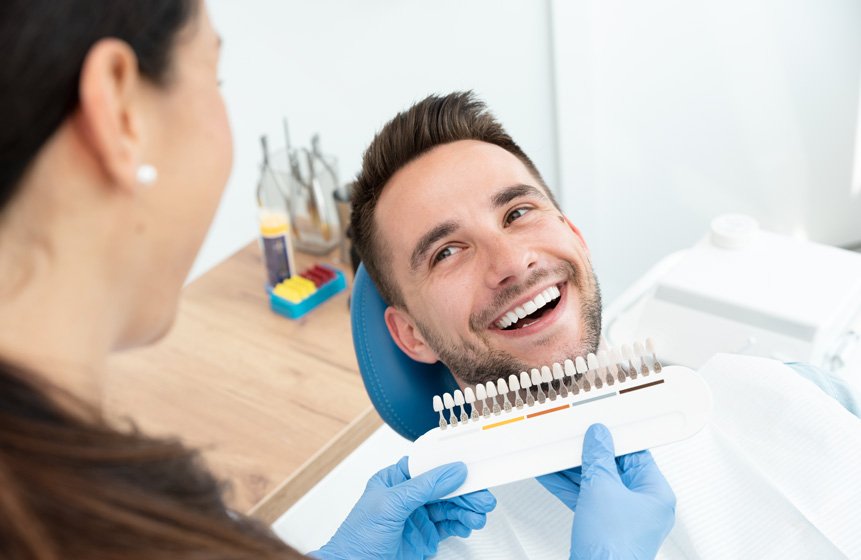
Composite bonding is a dental treatment in which a tooth-coloured resin is applied to a tooth, shaped by hand and hardened with a special light. It is used for small chips, narrow gaps and uneven edges when the teeth and gums are healthy. Many cases are finished in one appointment, though this depends on the individual tooth.
That is the short version. The sections below explain what “professional” bonding means, what happens in the chair, and how to tell whether it suits a particular smile.
Why “Professional” Matters With Bonding
Bonding looks simple, but it is a technique-sensitive treatment. The result depends on keeping the tooth dry, using the right adhesive method, building the resin in layers, matching the shade and polishing the surface. Small mistakes can show up later as staining, rough edges or chipping.
For patients in Middlesbrough, and especially around the TS5 area, this is why an assessment comes first. A dentist needs to check the teeth, gums, enamel and bite before deciding whether bonding is the right tool.
Composite Bonding at a Glance
| Question | Short answer |
| What is it? | Tooth-coloured resin shaped directly on the tooth |
| What can it improve? | Small chips, small gaps, uneven edges, some localised stains |
| Is surgery needed? | No |
| How long does it take? | Often one appointment, depending on the case |
| How long does it last? | Commonly quoted at around three to ten years |
| Who is it for? | People with healthy teeth and gums and minor concerns |
What Can Bonding Fix?
Composite bonding is generally suited to minor dental imperfections. Patients interested in the treatment at the Acklam Road practice can visit westmountdentalsurgery.co.uk to see how the procedure works, which concerns it can address and what follow-up care may involve. Common uses include:
- Chips on the edges of front teeth
- Small spaces between neighbouring teeth
- Teeth that look short, narrow or slightly misshapen
- Stains in one spot that whitening cannot shift
Dentists also draw a line between cosmetic and restorative work. A cosmetic change alters appearance, such as closing a small gap. A restorative change rebuilds structure lost to a chip or fracture. Bonding can do both, but it should never be used to cover active decay. That must be treated first.
A Visit From Start to Finish
Details vary between practices, but a typical appointment follows these stages:
- Assessment: The dentist checks the teeth, gums, enamel and bite, and talks about the look the patient wants. X-rays or digital images may be used.
- Shade selection: A resin colour is chosen to blend with the natural teeth.
- Surface preparation: The tooth is cleaned and lightly treated with an etching solution, which creates tiny rough areas so the adhesive can grip.
- Adhesive and resin: A bonding agent is applied, then the resin is added and moulded into shape.
- Hardening: A curing light sets the material.
- Bite check and polish: The dentist removes excess material, checks how the teeth meet and polishes the surface until it feels smooth.
The bite check matters more than many patients expect. Added resin can change how the teeth touch, and an uneven bite can cause chipping.
Who Is Likely to Be Suitable?
Bonding may suit people who have:
- Healthy teeth and gums
- Enough sound enamel for the resin to attach to
- Small, localised flaws rather than large breaks
- A stable bite without heavy grinding
Active decay, significant gum disease, large fractures, severe misalignment or heavy biting forces can make another treatment, such as a crown or veneer, more suitable. Only an individual assessment can settle this.
The Honest Limits
Resin is not as stain-resistant as some alternatives. Tea, coffee, red wine and tobacco can dull it, and nail biting or chewing pens can chip it. Over time it may lose its shine and need polishing, repair or replacement. The upside is that small chips can often be repaired rather than redone.
Looking After Bonded Teeth
- Brush with fluoride toothpaste and clean between the teeth daily
- Limit staining drinks and avoid tobacco
- Do not bite nails, pens or ice
- Keep up regular check-ups and professional cleaning
- Ask about a night guard if grinding or clenching is a problem
Frequently Asked Questions
Does composite bonding hurt? The tooth is usually changed very little, so many people need no anaesthetic, though this varies from case to case.
Can bonding be repaired if it chips? Often, yes. Small chips can frequently be patched or polished.
Is bonding permanent? No. It can stain, wear or chip, and may need maintenance or replacement.
Is bonding the same as veneers? Not quite. Bonding is built directly on the tooth. Porcelain veneers are made separately, tend to resist stains better, and generally need more tooth preparation.
Key Takeaway
- Composite bonding is a conservative, non-surgical way to fix small chips, gaps and uneven edges on healthy teeth.
- Many cases are completed in one appointment, but this depends on the tooth and the size of the repair.
- Resin can stain, chip or wear, so daily care and regular check-ups matter.
- Bonding does not replace missing teeth. Full-arch implants are a separate, surgical option that suits only some patients.
- A proper dental assessment should decide the right treatment, not appearance alone.
Composite bonding improves existing teeth, so it is not an option for someone who has lost most or all of the teeth in one jaw. In such cases, full-arch dental implants may be worth discussing with a dentist. All-on-4, available at westmountdentalsurgery.co.uk, uses four implants to support a fixed set of replacement teeth. The process involves scans, implant surgery, several months of healing and ongoing care to keep the implants and replacement teeth clean. However, suitability depends on each patient’s individual circumstances.


Who Is Isabella Foreman? The Real Life Story of George Foreman’s Adopted Daughter

Why Americans Are Planning a New Life in Portugal

Who Is Rose Swisher? The Real Life Story of Bill Russell’s First Wife

Who Is Andrey Saminin? The Real Life Story of the Ukrainian Actor Married to Lesya Samaeva

Who Is Storm Brieanne Sixx? The Real Life Story of Nikki Sixx’s Daughter

Who Is Vera Davich? The Real Life Story of Scott Patterson’s First Wife

Who Is Thomas Emil Sicks? The Inspiring Life of Kiefer Sutherland’s Half-Brother

Who Is Aidan Thieriot? The Inspiring Life of Max Thieriot’s Brother

Who Is Amelia Jane Henson? The Fascinating Life of Mia Sara and Brian Henson’s Daughter

Who Is Michel Sáenz Castro? The Fascinating Life of Verónica Castro’s Son

Who Is América Guinart? A Remarkable Life of Alejandro Fernández’s Ex-Wife

Who Is Paris Brosnan? The Remarkable Life of Pierce Brosnan’s Son
-
 Celebrity3 months ago
Who Is Thomas Emil Sicks? The Inspiring Life of Kiefer Sutherland’s Half-Brother
-
 Celebrity3 months ago
Who Is Aidan Thieriot? The Inspiring Life of Max Thieriot’s Brother
-
 Celebrity3 months ago
Who Is Amelia Jane Henson? The Fascinating Life of Mia Sara and Brian Henson’s Daughter
-
 Celebrity3 months ago
Who Is Michel Sáenz Castro? The Fascinating Life of Verónica Castro’s Son
-
 Celebrity3 months ago
Who Is América Guinart? A Remarkable Life of Alejandro Fernández’s Ex-Wife
-
 Celebrity3 months ago
Who Is Paris Brosnan? The Remarkable Life of Pierce Brosnan’s Son
-

 Celebrity3 months ago
Who Is Finn William Leeves Coben? The Remarkable Story of Jane Leeves’ Son
-

 Celebrity3 months ago
Who Is James Daniel Sundquist? The Extraordinary Life of Jimi Hendrix’s Son