Blog
How Schools Can Make Anti-Bullying Messages Visible All Year

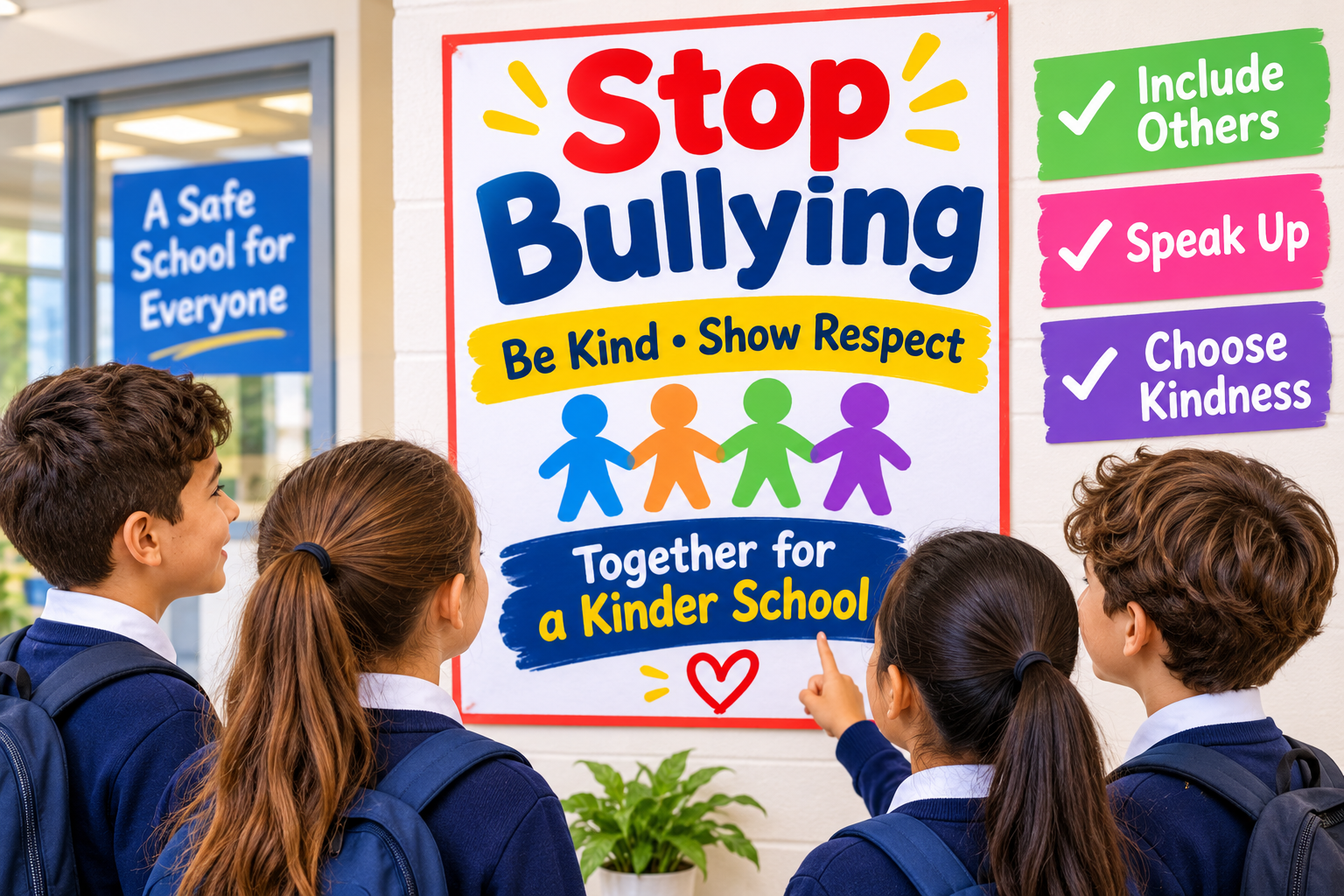
Bullying can affect a student’s confidence, friendships, mental health, and ability to learn. Schools play an important role in creating a safe environment where every child feels respected and supported. One simple way to keep kindness and respect in students’ minds is by displaying an anti bullying poster in classrooms, hallways, libraries, and other shared spaces.
However, preventing bullying requires more than a single awareness campaign. Schools need to keep these messages visible throughout the academic year so students regularly see reminders about kindness, inclusion, and standing up for others.
Why Anti-Bullying Messages Matter
Students spend much of their day at school, making it an important place to promote positive behaviour. Regular reminders can help children understand what bullying looks like and why it should never be accepted.
These messages can encourage students to:
- Treat classmates with kindness and respect.
- Recognise verbal, physical, and online bullying.
- Support classmates who experience bullying.
- Report harmful behaviour to trusted adults.
- Celebrate differences and welcome everyone.
When schools promote these values consistently, students become more aware of how their actions affect others.
Display an Anti Bullying Poster in Key Areas
Posters are an easy and affordable way to spread positive messages around school buildings. Instead of displaying them in just one location, schools should place them where students naturally spend time.
Consider these locations:
- Classrooms: Keep positive messages near noticeboards and learning areas.
- Hallways: Use busy corridors to share short reminders about kindness.
- Libraries: Encourage respectful behaviour through reading and awareness displays.
- Cafeterias: Promote friendship and inclusion in shared dining spaces.
- School entrances: Welcome students with messages about respect and safety.
An effective display should use clear wording, readable text, and colourful designs that attract attention without making the message difficult to understand.
Use Anti-Bullying Posters for Schools Throughout the Year
Many schools focus on bullying awareness during a particular week or month. While these campaigns are valuable, the message should not disappear once the event ends.
Anti-bullying posters for schools can support year-round awareness when teachers regularly refresh displays and introduce new themes.
For example, schools can follow a simple monthly plan:
- January: Promote kindness and positive New Year goals.
- February: Encourage friendship and respect.
- March: Celebrate differences and inclusion.
- April: Raise awareness about cyberbullying.
- May: Encourage students to speak up.
- June: Celebrate teamwork and supportive friendships.
Schools can continue changing their messages throughout the remaining academic year to keep students interested.
Connect Posters With Classroom Activities
Posters become more meaningful when students actively discuss the ideas behind them. Teachers can use displayed messages as starting points for short classroom activities.
Some useful ideas include:
- Ask students to explain what kindness means to them.
- Organise group discussions about different types of bullying.
- Encourage children to write positive messages for classmates.
- Use role-play to practise responding to bullying situations.
- Invite students to create their own awareness artwork.
These activities help children understand that preventing bullying is a shared responsibility, not just a school rule.
Promote Digital and Cyberbullying Awareness
Bullying does not always happen face to face. Social media, messaging apps, online games, and group chats can also become places where students experience harmful behaviour.
Schools should include cyberbullying awareness in their displays and classroom discussions. Explain why sharing embarrassing photos, sending threatening messages, spreading rumours, and excluding classmates from online groups can cause real harm.
Students should also learn to save evidence, block harmful accounts, report abusive behaviour, and seek help from trusted adults.
Involve Students in Creating Awareness Displays
Students are more likely to connect with messages when they have a role in creating them. Schools can organise poster competitions, art projects, and awareness activities that give children a chance to share their ideas.
Teachers can ask students to create designs around themes such as:
- Choose kindness every day.
- Everyone deserves respect.
- Speak up against bullying.
- Make school a safe place.
- Include others and celebrate differences.
Displaying student-created artwork can also build a stronger sense of belonging and encourage classmates to support the campaign.
Keep Messages Fresh and Easy to Understand
Displaying the same posters for an entire year can make students stop noticing them. Schools should update their displays regularly to maintain interest and keep awareness messages relevant.
Choose designs with:
- Short and memorable statements.
- Clear fonts and readable text.
- Positive images and friendly colours.
- Practical advice students can follow.
- Age-appropriate language.
Schools can also purchase professionally designed awareness materials to create consistent displays across different classrooms and buildings.
Conclusion
Making bullying prevention a year-round priority requires regular communication, student participation, and visible reminders throughout the school environment. An anti bullying poster can help reinforce positive behaviour, encourage kindness, and remind students that everyone deserves respect.
By displaying fresh messages, organising classroom activities, and promoting online safety, schools can build a culture where bullying is taken seriously. Investing in quality anti-bullying posters for schools is a simple way to keep awareness alive and encourage a safer, friendlier learning environment throughout the year.


Who Is Jericka Duncan? The Real Life Story of the CBS Weekend News Anchor

Who Is Erin Trussell? The Real Life Story of Duncan Trussell’s Wife

Who Is Maggie Rose Stewart? The Real Life Story of Jon Stewart’s Daughter

Who Is Ben Ohai? The Real Life Story of Kealia Ohai’s Father

Who Is Yvette Deleone? The Real Life Story of Scottie Pippen’s Former Fiancee

Who Is Mallory Plotnik? The Real Life Story of Phil Wickham’s Wife

Who Is Thomas Emil Sicks? The Inspiring Life of Kiefer Sutherland’s Half-Brother

Who Is Aidan Thieriot? The Inspiring Life of Max Thieriot’s Brother

Who Is Amelia Jane Henson? The Fascinating Life of Mia Sara and Brian Henson’s Daughter

Who Is Michel Sáenz Castro? The Fascinating Life of Verónica Castro’s Son

Who Is América Guinart? A Remarkable Life of Alejandro Fernández’s Ex-Wife

Who Is Paris Brosnan? The Remarkable Life of Pierce Brosnan’s Son
-
 Celebrity3 months ago
Who Is Thomas Emil Sicks? The Inspiring Life of Kiefer Sutherland’s Half-Brother
-
 Celebrity3 months ago
Who Is Aidan Thieriot? The Inspiring Life of Max Thieriot’s Brother
-
 Celebrity3 months ago
Who Is Amelia Jane Henson? The Fascinating Life of Mia Sara and Brian Henson’s Daughter
-
 Celebrity3 months ago
Who Is Michel Sáenz Castro? The Fascinating Life of Verónica Castro’s Son
-
 Celebrity3 months ago
Who Is América Guinart? A Remarkable Life of Alejandro Fernández’s Ex-Wife
-
 Celebrity3 months ago
Who Is Paris Brosnan? The Remarkable Life of Pierce Brosnan’s Son
-

 Celebrity2 months ago
Who Is Finn William Leeves Coben? The Remarkable Story of Jane Leeves’ Son
-

 Celebrity3 months ago
Who Is James Daniel Sundquist? The Extraordinary Life of Jimi Hendrix’s Son