Celebrity
Who Is James Daniel Sundquist? The Extraordinary Life of Jimi Hendrix’s Son

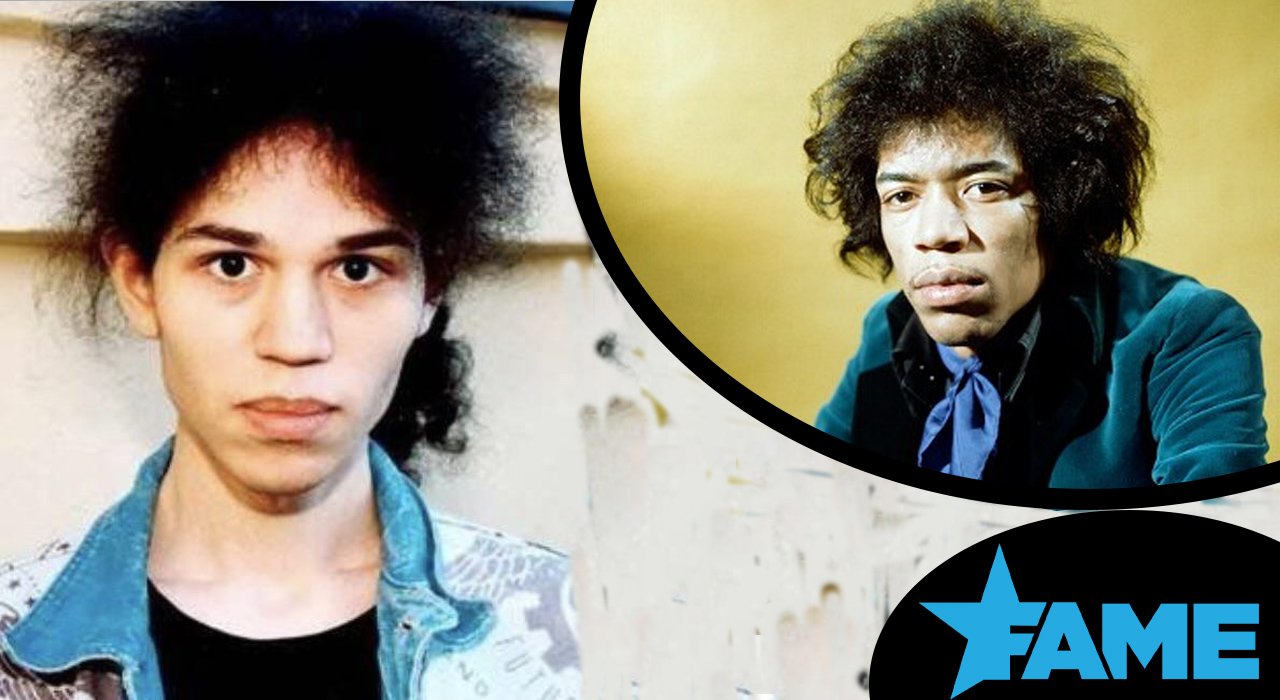
James Daniel Sundquist is the son of Jimi Hendrix, the legendary guitarist widely regarded as one of the most influential musicians in rock history, and Eva Sundquist, a Swedish national Hendrix met in Stockholm in 1968. Born less than a year before his father’s death, James never had the chance to meet Hendrix, and his life since has been shaped by both a Swedish court’s 1975 legal recognition of his paternity and a lengthy, unsuccessful legal battle in the United States to claim a share of his father’s considerable estate.
This article, approached with the sensitivity his story deserves, looks at what is reliably documented about James Daniel Sundquist, his mother’s relationship with Jimi Hendrix, the legal recognition of his paternity, and his life since.
James Daniel Sundquist: Quick Bio Table
| Category | Details |
|---|---|
| Full Name | James Henrik Daniel Sundquist |
| Known For | Son of guitarist Jimi Hendrix |
| Date of Birth | 5 October 1969 |
| Birthplace | Stockholm, Sweden |
| Mother | Eva Sundquist |
| Father | Jimi Hendrix (1942-1970) |
| Paternity Recognition | Confirmed by a Swedish court in 1975 |
| Half-Sister | Tamika Hendrix, born 1967 |
Who Is James Daniel Sundquist?
James Daniel Sundquist was born on 5 October 1969 in Stockholm, Sweden, the result of a relationship between his mother, Eva Sundquist, and Jimi Hendrix, who met during the guitarist’s 1968 tour of Sweden. Their relationship led to Eva becoming pregnant in late 1968, and James was born the following autumn, arriving less than a year before his father’s death in September 1970.
A Swedish court legally recognised James as Jimi Hendrix’s son in 1975, a formal paternity judgment issued five years after the guitarist’s death, despite the absence of any blood or DNA testing at the time, which was not yet available in the way it is today. This legal recognition, formally established under Swedish law, gave James a documented, court-affirmed connection to his father years before he would later attempt to assert a claim to Hendrix’s estate in the United States.
Interest in James Daniel Sundquist tends to follow renewed attention on Jimi Hendrix’s legacy, particularly around anniversaries connected to his death, reissues of his music, or documentaries exploring his life and the considerable legal history surrounding his estate in the decades since.
Jimi Hendrix: The Father He Never Knew
To understand James’s story, it helps to understand his father’s extraordinary and enduring legacy. Jimi Hendrix began playing guitar at 15 years old, and after a period in the U.S. Army followed by work on the Chitlin’ Circuit backing artists including Little Richard and the Isley Brothers, he moved to London in September 1966, where manager Chas Chandler assembled the Jimi Hendrix Experience alongside bassist Noel Redding and drummer Mitch Mitchell.
The Experience achieved considerable success, scoring three UK top-ten hits before gaining major American prominence following their unforgettable 1967 performance at the Monterey Pop Festival. Hendrix’s debut album, “Are You Experienced,” reached number two in the UK charts, while his third studio album, “Electric Ladyland,” released in 1968, became his most successful record and his only number-one album on the Billboard 200. By 1969, widely regarded as the world’s highest-paid rock musician, Hendrix headlined Woodstock, delivering an iconic rendition of “The Star-Spangled Banner” that remains one of the most celebrated moments in rock music history.
Hendrix’s short but extraordinarily influential career, spanning roughly four years of major international fame before his death, has continued to shape rock and blues guitar playing for more than five decades since. His posthumous influence has, if anything, grown considerably over the years, with reissues, documentaries, and tribute projects introducing his music to entirely new generations of listeners well beyond those who experienced his original, brief but transformative career firsthand.
Jimi Hendrix died in London on 18 September 1970 at just 27 years old, a loss that occurred less than a year after James’s birth, meaning father and son never had the opportunity to meet. Hendrix had reportedly planned a trip to Stockholm before his death, though whether this visit was connected to meeting his infant son remains unclear from available public reporting.
The Legal Battle Over Jimi Hendrix’s Estate
A Lawsuit Filed in 1994
In March 1994, at 24 years old, James filed a lawsuit in California, alleging that his paternal grandfather, Al Hendrix, along with various lawyers and corporations connected to the estate, had maliciously and fraudulently concealed his status as a rightful heir to Jimi Hendrix’s estate, then valued at approximately 30 million dollars or potentially considerably more. This legal action sought to establish James’s right to inherit a share of an estate that had, in the absence of his claim being recognised, passed entirely to his grandfather following Jimi’s death.
The lawsuit named several defendants, including Al Hendrix, attorney Leo Branton, estate executors Kenneth Hagood and Henry Steingarten, and multiple companies controlling rights to Hendrix’s music, reflecting the considerable complexity of the legal and financial structure that had developed around the guitarist’s estate in the years following his death. James sought not only a share of the estate itself but also an accounting of the profits generated from his father’s music since 1970, along with damages connected to the alleged concealment.
The Outcome
Despite the 1975 Swedish court ruling that had formally recognised his paternity, James’s 1994 lawsuit in the United States was ultimately unsuccessful, with the courts rejecting his claim and the estate remaining with Al Hendrix. Following this outcome, James expressed his frustration publicly but without bitterness toward his grandfather specifically, stating: “I’m not angry with Al. I just feel I’ve been treated unfairly. I want people to know that I am not a fake.”
This measured, restrained public response, even after losing a legal battle over an estate of this considerable value, suggests a genuine focus on being recognised and believed rather than purely on financial gain. The case highlighted the genuinely complex legal challenges involved in posthumous paternity claims, particularly across international jurisdictions, where a foreign court’s ruling does not automatically carry the same legal weight within a different country’s court system.
DNA Testing Considerations
At the time of the lawsuit, modern DNA testing could have offered a definitive resolution to the paternity question, though doing so would have required exhuming Jimi Hendrix’s body, a prospect James described as “a horrible thought” despite expressing willingness to pursue it if genuinely necessary. This kind of difficult, deeply personal consideration, weighing the desire for legal and biological certainty against the emotional and ethical weight of exhumation, reflects the genuinely complicated position James found himself in throughout the legal proceedings.
James’s Family Background
James has a half-sister, Tamika Hendrix, born in 1967 from Jimi Hendrix’s relationship with Diana Carpenter, meaning James was not the only child born to Hendrix outside of a formal, publicly documented relationship. Available reporting suggests the two half-siblings never developed a close relationship, a detail that reflects how the considerable complexity and geographic distance surrounding Hendrix’s various relationships shaped his children’s ability to connect with one another after his death.
Eva Sundquist, James’s mother, faced considerable difficulty navigating both her son’s disputed paternity claim and the practical realities of raising him largely without the recognition or support that a formally acknowledged, wealthy father might have otherwise provided. Her own account of meeting Hendrix in Stockholm and the relationship that followed has featured in later reporting on James’s story, offering context for a relationship that, from all available evidence, was genuine but brief.
James’s Life Since the Lawsuit
Following the conclusion of his legal battle in the 1990s, James has maintained a genuinely reclusive, private life in Stockholm, choosing to stay away from the kind of media attention that might otherwise follow someone connected, even through a disputed legal history, to one of the most significant figures in rock music history. This sustained preference for privacy suggests a desire to move beyond the very public legal dispute that once defined much of his public profile.
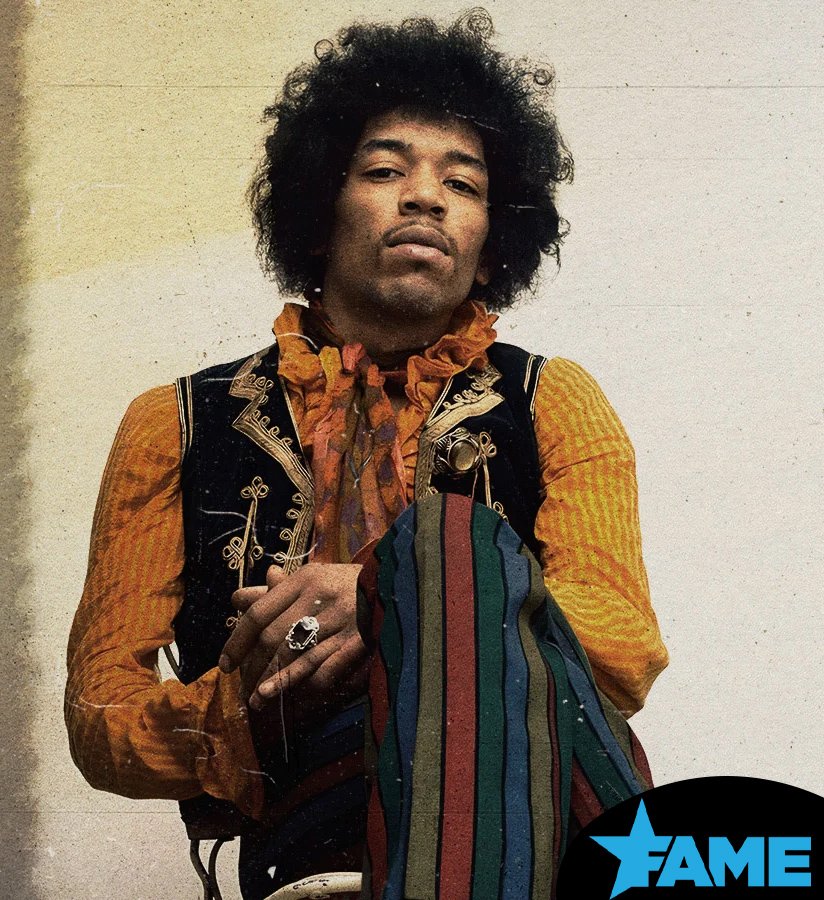
Details about James’s current profession and day-to-day life remain genuinely limited in reliable public reporting, consistent with the broader pattern of privacy he has maintained since his unsuccessful legal claim. Readers should treat any highly specific or sensational claims about his personal life circulating on lower-quality entertainment websites with appropriate caution, given how little has been verified through credible, primary reporting in the years since his court case concluded.
This kind of sustained caution is particularly important for a story involving a private individual whose life has, at various points, been shaped by considerable public speculation connected purely to his father’s fame, rather than to anything James himself has sought or encouraged. Distinguishing between verified facts, such as the 1975 Swedish paternity ruling and the outcome of his 1994 lawsuit, and unverified speculation that occasionally circulates online, remains important for anyone seeking an accurate understanding of his story.
Individuals who find themselves connected to a deceased public figure through a disputed or complicated paternity history often face a particular kind of ongoing public interest that persists regardless of their own personal preference for privacy, simply because of the enduring fame of the parent in question. James’s consistent choice to remain out of public life, even decades after his legal case concluded, suggests a genuine desire to be left to live his own life privately, separate from the considerable and enduring cultural interest in his father’s musical legacy.
Why People Search for James Daniel Sundquist
People search for James Daniel Sundquist primarily out of curiosity about Jimi Hendrix’s family history, particularly fans wanting to understand the full scope of the guitarist’s personal life and the children he never had the chance to raise before his death at just 27 years old.
Others come across his name specifically while researching the legal history surrounding the Hendrix estate, curious about how a foreign paternity ruling interacted with American inheritance law and why a legally recognised son in Sweden was ultimately unsuccessful in his U.S. legal claim.
A further group of readers search for James Daniel Sundquist while exploring stories of posthumous paternity disputes involving famous musicians, using his case as a genuine example of the legal complexity that can follow a musician’s death when children exist outside of formally documented relationships.
Conclusion
James Daniel Sundquist’s story reflects the genuinely complicated legacy that can follow a musician who died as young and suddenly as Jimi Hendrix did, having been legally recognised as Hendrix’s son by a Swedish court in 1975 yet ultimately unsuccessful in his 1994 attempt to claim a share of his father’s American estate. Born less than a year before his father’s death, James never had the opportunity to know him, and his subsequent life has been shaped by both this significant legal history and a consistent, sustained preference for privacy in the decades since. His story offers a genuine, human reminder of the family complexities that can exist behind even the most celebrated musical legacies.
Frequently Asked Questions
Who is James Daniel Sundquist? James Daniel Sundquist is the son of guitarist Jimi Hendrix and Swedish national Eva Sundquist, born on 5 October 1969 in Stockholm, Sweden.
Did James Daniel Sundquist ever meet his father, Jimi Hendrix? No. Hendrix died in September 1970, less than a year after James’s birth, meaning father and son never had the chance to meet.
Was James Daniel Sundquist’s paternity legally recognised? Yes. A Swedish court formally recognised James as Jimi Hendrix’s son in 1975, though this ruling did not succeed in a later U.S. lawsuit over the estate.
Did James Daniel Sundquist win his lawsuit against the Hendrix estate? No. His 1994 lawsuit was ultimately rejected by U.S. courts, and Jimi Hendrix’s estate remained with his grandfather, Al Hendrix.
Does James Daniel Sundquist have siblings? Yes. He has a half-sister, Tamika Hendrix, born in 1967 from Jimi Hendrix’s relationship with Diana Carpenter.
Find something new to read with our latest stories and updates.


Who Is Alisa Earle? The Real Life Story of Alix Earle’s Mother

MyGreenBucks.net Explained for New Personal Finance Readers

Who Is Berry William Borope Robinson? The Real Life Story of Smokey Robinson’s Son

Who Is Roderick Jeffrey Watts? The Real Life Story of Isabel Wilkerson’s Husband

Who Was Christopher Bixby? The Real Life Story of Bill Bixby’s Son

Who Is Carrie Schenken? The Real Life Story of Amanda Bearse’s Wife

Who Is Aidan Thieriot? The Inspiring Life of Max Thieriot’s Brother

Who Was Lauren Maxwell? The Extraordinary Life of Fetty Wap’s Daughter

Who Is Thomas Emil Sicks? The Inspiring Life of Kiefer Sutherland’s Half-Brother

Who Is Michel Sáenz Castro? The Fascinating Life of Verónica Castro’s Son

Who Is Joey Armstrong? The Extraordinary Journey of Billie Joe Armstrong’s Son

Who Is James Daniel Sundquist? The Extraordinary Life of Jimi Hendrix’s Son
-
 Celebrity4 weeks ago
Who Is Aidan Thieriot? The Inspiring Life of Max Thieriot’s Brother
-
 Celebrity4 weeks ago
Who Was Lauren Maxwell? The Extraordinary Life of Fetty Wap’s Daughter
-
 Celebrity4 weeks ago
Who Is Thomas Emil Sicks? The Inspiring Life of Kiefer Sutherland’s Half-Brother
-
 Celebrity1 month ago
Who Is Michel Sáenz Castro? The Fascinating Life of Verónica Castro’s Son
-
 Celebrity4 weeks ago
Who Is Joey Armstrong? The Extraordinary Journey of Billie Joe Armstrong’s Son
-

 Celebrity1 month ago
Who Is Nanette Bledel? The Unforgettable Life of Alexis Bledel’s Mother
-

 Celebrity3 weeks ago
Who Is Paris Brosnan? The Remarkable Life of Pierce Brosnan’s Son
-

 Celebrity4 weeks ago
Who Is América Guinart? A Remarkable Life of Alejandro Fernández’s Ex-Wife