Blog
What Is Ğş? Understanding These Turkish Alphabet Letters

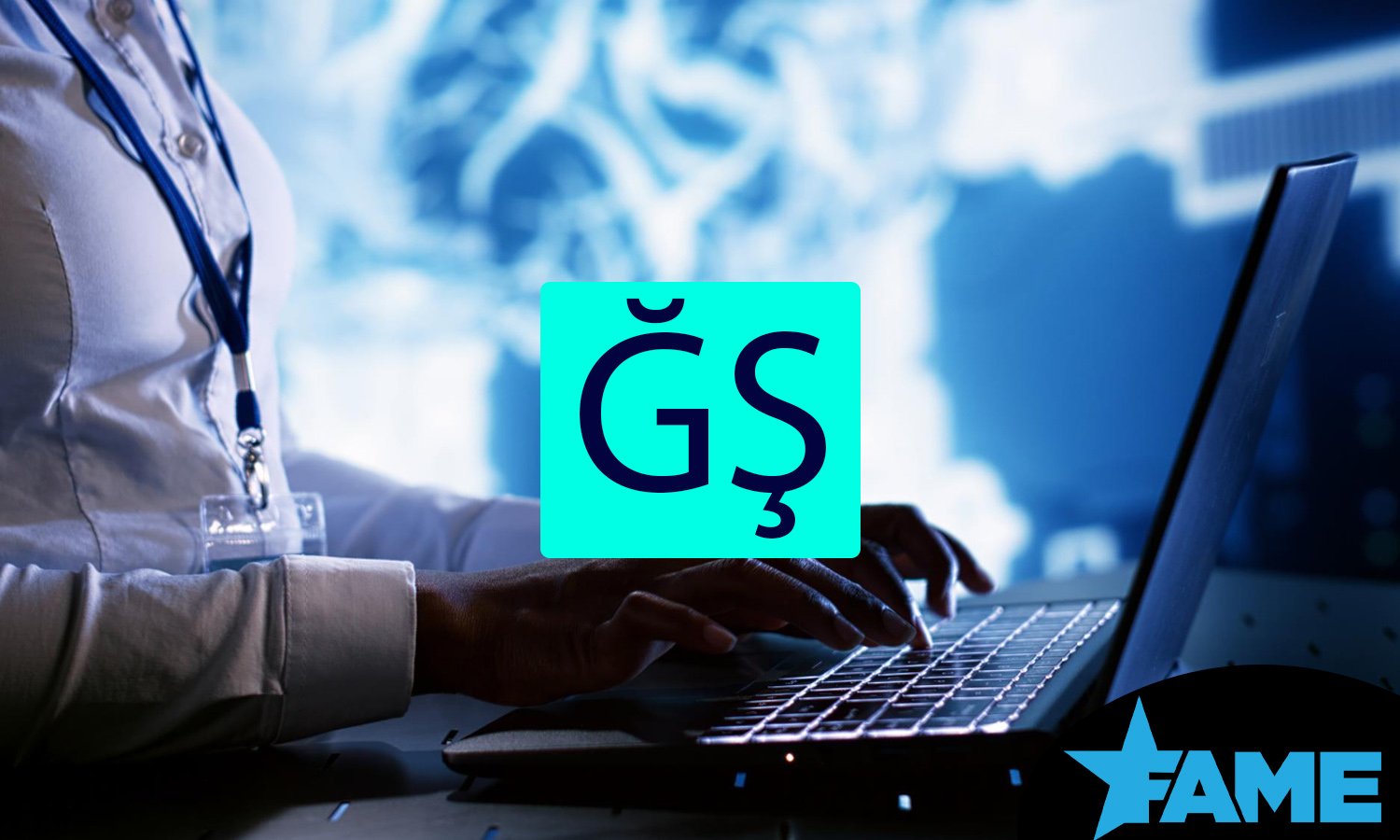
Ğş refers to two distinct letters in the modern Turkish alphabet: Ğ, known as “yumuşak g” or the soft G, and Ş, an S with a cedilla mark beneath it, both of which represent sounds and spelling conventions not found in the standard English alphabet. These letters are essential to correctly reading, writing, and pronouncing Turkish words, and understanding them is a foundational step for anyone learning Turkish or trying to accurately type and display Turkish text. This guide explains what each letter represents, how they are pronounced, and how to type them correctly on different devices.
What Is the Letter Ğ in Turkish?
The letter Ğ, called “yumuşak g” or soft G in Turkish, is a distinctive letter in the Turkish alphabet that generally does not produce a distinct consonant sound of its own in modern standard Turkish pronunciation, but instead typically lengthens the preceding vowel sound or creates a smooth, gliding transition between two vowels. This letter never appears at the beginning of a Turkish word, and its specific pronunciation effect can vary somewhat depending on its position within a word and the surrounding vowel sounds.
Understanding this letter’s function as a vowel-lengthening or gliding element, rather than a hard consonant sound like the English “g,” is an important foundational concept for anyone learning to read or pronounce Turkish words correctly, since applying an English-style hard “g” sound to this letter would result in a noticeably inaccurate pronunciation.
What Is the Letter Ş in Turkish?
The letter Ş, an S with a cedilla diacritical mark beneath it, represents the “sh” sound in Turkish, equivalent to the sound at the beginning of the English word “shoe” or the middle of the English word “wishing.” This letter is one of several Turkish alphabet letters that use a diacritical mark to represent a distinct sound not covered by the basic Latin alphabet letters alone, reflecting how the modern Turkish alphabet was specifically designed to accurately represent all the distinct sounds present in the Turkish language.
This letter appears in many common Turkish words, and correctly pronouncing it as the “sh” sound rather than a standard English “s” sound is an important distinction for accurate Turkish pronunciation, since confusing these two sounds can change a word’s meaning or make it difficult for a Turkish speaker to understand what is being said.
Why Does Turkish Use Letters Not Found in English?
Turkish uses letters not found in English, including Ğ and Ş, because the modern Turkish alphabet was specifically designed during Turkey’s early twentieth-century language reforms to accurately represent every distinct sound present in the spoken Turkish language, a goal that the standard twenty-six letter Latin alphabet used in English could not fully accomplish on its own. This deliberate alphabet design, adopted in 1928 as part of a broader set of language reforms, replaced the previously used Arabic-based script with a Latin-based alphabet specifically adapted with additional letters and diacritical marks to fit the Turkish language’s particular sound system.
This history helps explain why Turkish includes several letters beyond the standard Latin alphabet, including Ğ, Ş, and others like Ç, Ö, and Ü, each specifically added or adapted to represent sounds that the basic Latin alphabet’s standard letters could not adequately capture on their own for accurately writing the Turkish language.
How Do You Type Ğ and Ş on Different Devices?
You can type Ğ and Ş on different devices by switching your keyboard input language to Turkish within your device’s system settings, which remaps certain keys to directly produce these Turkish-specific letters, or by using special character insertion menus available in most word processing software and operating systems. On many devices, you can also use specific keyboard shortcuts or long-press gestures on touchscreen keyboards, where holding down the standard “g” or “s” key on a mobile device often brings up a small menu of related special characters, including Ğ and Ş, for quick selection without switching your entire keyboard language setting.
For users who need to type Turkish text only occasionally rather than regularly, using your operating system’s special character map or inserting these characters through a word processor’s symbol insertion tool is often a more practical solution than fully switching your keyboard language setting for infrequent use.
Do Ğ and Ş Appear at the Beginning of Turkish Words?
Ğ does not appear at the beginning of Turkish words, since its specific function relates to lengthening or gliding between vowel sounds within a word rather than serving as an initial consonant sound, meaning you will only encounter this letter in the middle or toward the end of Turkish words. Ş, by contrast, can appear at the beginning, middle, or end of Turkish words, functioning as a regular consonant sound similar to how the “sh” sound can appear in various positions within English words.
This positional distinction between the two letters is a useful detail to keep in mind when learning to read Turkish text, since recognizing that Ğ will never start a word can help you quickly identify and correctly interpret its specific vowel-lengthening function whenever you do encounter it within a word.
How Common Are Ğ and Ş in the Turkish Language?
Ş is quite common in the Turkish language, appearing in many everyday words across a wide range of contexts, while Ğ, though less immediately noticeable to non-Turkish speakers due to its subtle vowel-modifying function rather than a distinct consonant sound, also appears regularly throughout Turkish vocabulary. Both letters are considered standard, essential components of the Turkish alphabet rather than rare or unusual characters, meaning any serious study of written or spoken Turkish will require becoming comfortable with both of these letters.
This regular frequency of use underscores why correctly understanding and being able to type these letters is genuinely important for anyone engaging with the Turkish language in any serious capacity, whether for language learning, translation work, or simply accurately reading and writing Turkish text online.
What Happens When Ğ and Ş Are Left Out or Replaced Incorrectly?
When Ğ and Ş are left out or replaced incorrectly, such as substituting a standard “g” for Ğ or a standard “s” for Ş, the resulting text can become difficult for Turkish readers to interpret correctly, and in some cases the substitution can actually change a word’s meaning entirely or create an entirely different, unintended word. This kind of character substitution commonly happens on older computer systems or software that did not properly support the full range of Turkish alphabet characters, leading to text that Turkish speakers can generally still puzzle out from context but which does not represent proper, standard Turkish spelling.
Modern software and operating systems generally support full Turkish character encoding without this kind of substitution issue, making correct display and input of these letters much more consistently available than it may have been on older, more limited computer systems in the past.
How Do Ğ and Ş Relate to Turkish Vowel Harmony?
Ğ specifically interacts with Turkish’s broader system of vowel harmony, a linguistic feature where certain suffixes change their vowel sound depending on the vowels present earlier in a word, since Ğ’s vowel-lengthening or gliding function is directly tied to the surrounding vowel sounds in a way that reflects this broader systematic feature of Turkish phonology. Ş, as a consonant sound, does not directly participate in vowel harmony in the same way, though it can still appear within words that are otherwise governed by these vowel harmony rules.
Understanding this connection between Ğ and Turkish vowel harmony provides useful additional context for language learners specifically trying to understand why Turkish words are constructed and pronounced the way they are, since vowel harmony is one of the more distinctive and systematic features of Turkish grammar and pronunciation overall.
Why Might Someone Search for “Ğş” Specifically?
Someone might search for “Ğş” specifically because they encountered these characters in a piece of Turkish text and were unsure how to pronounce, type, or interpret them, particularly if they do not read Turkish regularly or are just beginning to learn the language. This kind of specific character lookup is a common and practical need for language learners, translators, or anyone encountering Turkish text for the first time who wants to understand these unfamiliar letters before proceeding further with reading or writing in the language.
Recognizing this as a genuine, practical language question, rather than assuming any more complex or hidden meaning behind the specific search term, helps frame the most useful and directly relevant information for someone encountering these Turkish characters for the first time.
What Resources Can Help You Learn More About Turkish Pronunciation?
Resources that can help you learn more about Turkish pronunciation include structured language learning courses and apps that specifically cover the Turkish alphabet and its unique letters, audio pronunciation guides that let you hear native speakers correctly producing sounds like Ğ and Ş within actual words, and language exchange opportunities with native Turkish speakers who can provide direct feedback on your pronunciation. Since some of Turkish’s unique letters, particularly Ğ, involve subtle pronunciation effects that can be difficult to fully grasp from written description alone, supplementing text-based learning with actual audio examples is particularly valuable for these specific characters.
This combination of structured learning materials and direct audio exposure is a generally effective approach for mastering any language’s unique phonetic features, and it applies particularly well to letters like Ğ, whose subtle pronunciation function benefits significantly from hearing real examples rather than relying on written explanation alone.
How Do Ğ and Ş Compare to Other Special Turkish Letters?
Ğ and Ş compare to other special Turkish letters, including Ç, Ö, and Ü, in that all of these letters were similarly added or adapted from the base Latin alphabet specifically to represent distinct Turkish sounds not covered by the twenty-six standard English letters alone. Ç represents a “ch” sound similar to the beginning of the English word “chair,” while Ö and Ü represent specific vowel sounds involving rounded lip position that do not have a direct one-to-one equivalent in standard English pronunciation, rounding out the set of letters that make the Turkish alphabet distinct from the standard Latin alphabet used in English.
Learning all of these special letters together, rather than focusing on just one or two in isolation, gives language learners a more complete and systematic understanding of how the Turkish alphabet was specifically constructed to represent the full range of sounds present in spoken Turkish, making it easier to approach new, unfamiliar Turkish words with a solid foundational understanding of the complete alphabet.
What Should Non-Turkish Speakers Know Before Encountering These Letters?
Non-Turkish speakers should know before encountering these letters that they represent genuine, standard components of a complete and internally consistent alphabet system, rather than unusual or decorative additions to standard Latin letters, meaning each one carries a specific, learnable pronunciation rule rather than being arbitrary or unpredictable in its usage. Approaching these letters with the expectation that they follow consistent, learnable rules, rather than treating them as confusing exceptions, can make the process of learning to read and pronounce Turkish text considerably more approachable and systematic.
This mindset, treating unfamiliar alphabet characters as part of a learnable, internally consistent system rather than as confusing anomalies, is a generally useful approach for learning to read and pronounce any language that uses characters or diacritical marks not found in one’s own native alphabet.
Conclusion
Ğş refers to two distinct Turkish alphabet letters: Ğ, the soft G that lengthens or glides between vowel sounds without ever starting a word, and Ş, which produces the “sh” sound found in many Turkish words. Both letters were specifically incorporated into the modern Turkish alphabet during Turkey’s early twentieth-century language reforms to accurately represent sounds the standard Latin alphabet could not capture alone. Learning to correctly recognize, pronounce, and type these letters is an essential step for anyone engaging seriously with the Turkish language.
Frequently Asked Questions
What sound does Ğ make in Turkish?
Ğ typically does not produce a distinct consonant sound but instead lengthens the preceding vowel or creates a smooth glide between vowels.
What sound does Ş make in Turkish?
Ş represents the “sh” sound, similar to the beginning of the English word “shoe.”
Can Ğ appear at the start of a Turkish word?
No, Ğ never appears at the beginning of a Turkish word, only in the middle or toward the end.
How do I type Ğ and Ş on my keyboard?
Switch your keyboard input language to Turkish, or use your device’s special character or symbol insertion tool.
Why does Turkish have letters not found in English?
Turkey’s 1928 language reforms adapted the Latin alphabet with additional letters to accurately represent all sounds in spoken Turkish.


Who Is Rishia Haas? The Real Life Story of Andrew Zimmern’s Ex-Wife

Who Is Elaine Starchuk? The Real Life Story of Tommy Lee’s First Wife

Who Is Margie Washichek? The Real Life Story of Jimmy Buffett’s First Wife

Who Is Shelly Tresvant? The Real Life Story of Ralph Tresvant’s First Wife

Who Is Nikolai Peter Ingraham? The Real Life Story of Laura Ingraham’s Adopted Son

The grok API and Video: Frames Yes, Footage No

Who Is Thomas Emil Sicks? The Inspiring Life of Kiefer Sutherland’s Half-Brother

Who Is Aidan Thieriot? The Inspiring Life of Max Thieriot’s Brother

Who Is Michel Sáenz Castro? The Fascinating Life of Verónica Castro’s Son

Who Is Amelia Jane Henson? The Fascinating Life of Mia Sara and Brian Henson’s Daughter

Who Is América Guinart? A Remarkable Life of Alejandro Fernández’s Ex-Wife

Who Is Paris Brosnan? The Remarkable Life of Pierce Brosnan’s Son
-
 Celebrity2 months ago
Who Is Thomas Emil Sicks? The Inspiring Life of Kiefer Sutherland’s Half-Brother
-
 Celebrity2 months ago
Who Is Aidan Thieriot? The Inspiring Life of Max Thieriot’s Brother
-
 Celebrity2 months ago
Who Is Michel Sáenz Castro? The Fascinating Life of Verónica Castro’s Son
-
 Celebrity2 months ago
Who Is Amelia Jane Henson? The Fascinating Life of Mia Sara and Brian Henson’s Daughter
-
 Celebrity2 months ago
Who Is América Guinart? A Remarkable Life of Alejandro Fernández’s Ex-Wife
-
 Celebrity2 months ago
Who Is Paris Brosnan? The Remarkable Life of Pierce Brosnan’s Son
-

 Celebrity2 months ago
Who Is James Daniel Sundquist? The Extraordinary Life of Jimi Hendrix’s Son
-

 Celebrity2 months ago
Who Is London Bierk? The Real Life Story of Sebastian Bach’s Son