Skin Care
Uvlack Explained: What It Is and How the Coating Works

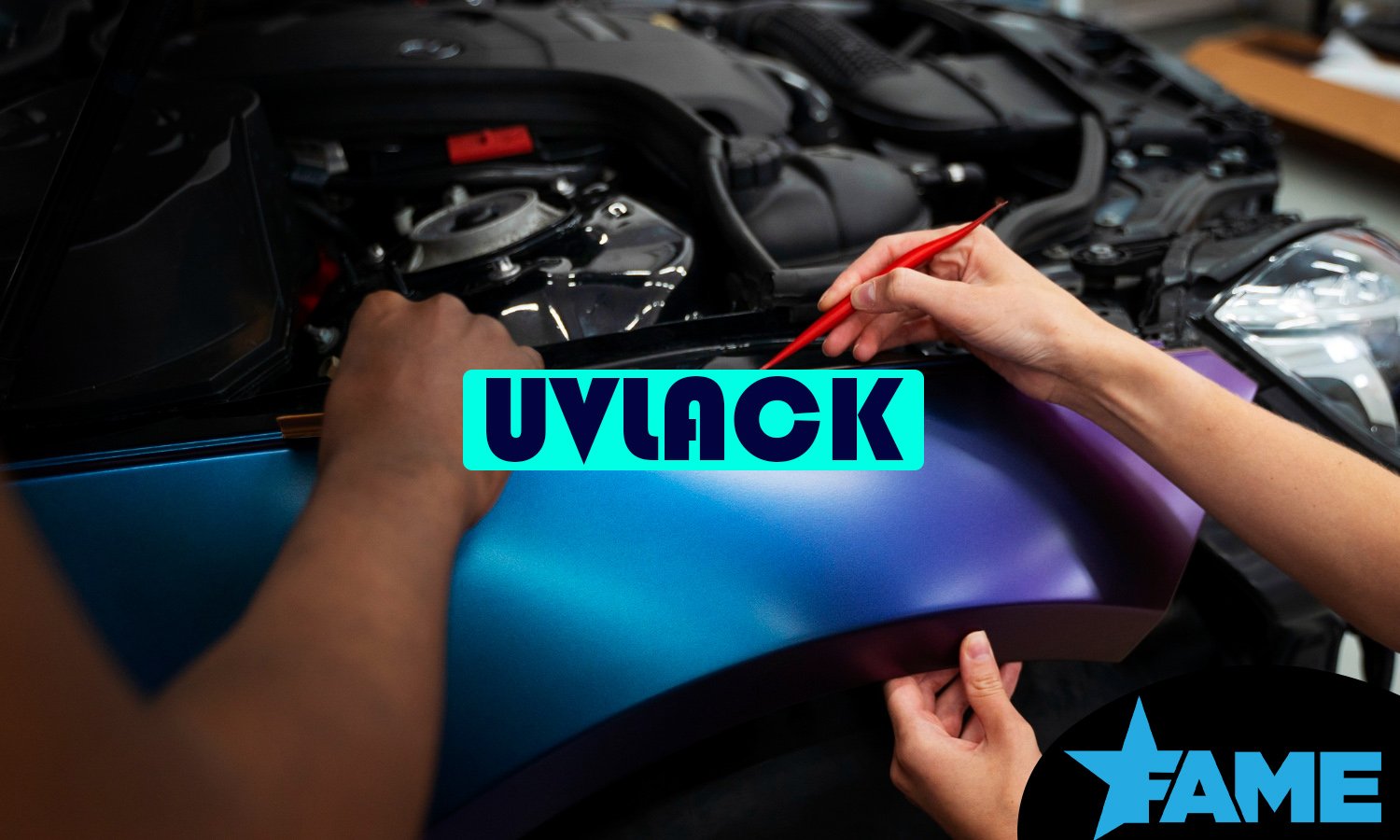
Uvlack is a UV-curable coating, more commonly known in the printing and packaging trade as UV lacquer or UV varnish, applied over a printed or manufactured surface to protect it and sharpen its appearance. Instead of drying slowly through air exposure or heat like a conventional varnish, this coating stays liquid until it passes under an ultraviolet light source, where it hardens almost instantly. That instant change from liquid to solid film is the defining feature of the technology, and it’s the reason UV coatings have become a standard finishing option across packaging, commercial printing, wood products, and plastic components.
What Is Uvlack?
Uvlack refers to a UV-curable coating formulated from acrylate resins, photoinitiators, and additives that polymerize when exposed to ultraviolet light. In plain terms, it’s a liquid finish applied over a substrate such as paperboard, plastic, or wood, then hardened by passing it under a UV lamp rather than letting it air-dry. The result is a thin, durable film that can be glossy, matte, or textured depending on the formulation and the equipment used.
The word draws on “UV” for ultraviolet curing and “lack,” a term used in several European languages (including German and Scandinavian languages) for lacquer or varnish. That naming pattern is common in the coatings industry, where “UV lacquer,” “UV varnish,” and “UV coating” are used interchangeably to describe the same underlying process.
Direct answer for quick reference: Uvlack is a liquid coating that cures within seconds under ultraviolet light, forming a hard, protective, and often glossy layer on printed or manufactured surfaces. It differs from standard varnish mainly in how it dries: UV exposure triggers a chemical reaction called polymerization instead of relying on evaporation or oxidation.
How Does Uvlack Work?
Uvlack works through a light-triggered chemical reaction called UV curing, not through evaporation like solvent-based or water-based coatings. The liquid coating contains photoinitiators, which are chemical compounds that absorb ultraviolet energy and generate reactive molecules called free radicals. Those free radicals set off a chain reaction that links the acrylate monomers and oligomers in the formula into a solid, cross-linked polymer network.
The process happens in a specific sequence on a production line:
- The liquid coating is applied to the substrate using a roller, spray system, or flexographic unit.
- The coated material passes beneath a UV light source, either a traditional mercury-vapor lamp or a newer UV-LED array.
- Ultraviolet radiation activates the photoinitiators within a fraction of a second.
- Polymerization locks the coating into a solid film, and the surface is ready to handle, stack, or ship almost immediately.
This speed is the main practical advantage over conventional coatings. A solvent-based varnish can take minutes or hours to dry fully, while a UV coating typically cures in well under a second on a properly calibrated line. That difference lets manufacturers run production at higher speeds without waiting for finished items to off-gas or air-dry before the next step in packaging or shipping.
What Is Uvlack Made Of?
A typical UV coating formulation combines three core ingredient groups: acrylate oligomers and monomers, photoinitiators, and functional additives. The oligomers and monomers form the backbone of the cured film and determine properties like flexibility, hardness, and chemical resistance. Photoinitiators are the trigger mechanism, and their chemistry is matched to the wavelength of the curing lamp, whether that’s a broad-spectrum mercury lamp or a narrower UV-LED source.
Additives round out the formula. Common ones include slip agents that improve scuff resistance, matting agents that reduce gloss for a satin or matte finish, and defoamers that keep the coating smooth during high-speed application. Because the formula is nearly 100 percent reactive, meaning almost all of it converts into solid film rather than evaporating, UV coatings release far fewer volatile organic compounds (VOCs) into the air compared with solvent-based finishes.
What Types of Uvlack Coating Are There?
Uvlack coatings come in several finish types, each suited to a different visual or functional goal.
Gloss Uvlack
Gloss is the most widely used version. It produces a high-shine, reflective surface that deepens color saturation and gives printed packaging, labels, and marketing materials a polished, premium appearance.
Matte Uvlack
Matte formulations use matting agents to scatter light rather than reflect it, producing a soft, non-reflective surface. This finish is popular for premium packaging and book covers where a subdued, tactile look is preferred over shine.
Spot Uvlack
Spot UV applies the coating only to selected areas of a design, such as a logo or headline, while the rest of the surface stays uncoated. The contrast between the coated and uncoated areas creates a raised, textured highlight that’s frequently used on business cards, book jackets, and packaging.
Textured or Specialty Uvlack
Some formulations include additives or embossing dies that create tactile effects, such as soft-touch, sandy, or raised textures. These are used when a brand wants the packaging or print piece to stand out through touch as well as sight.
Where Is Uvlack Used?
Uvlack coatings are used wherever a manufacturer needs a fast-curing, durable, and visually consistent finish. The largest application areas are commercial printing and packaging, where UV coatings protect book covers, brochures, folding cartons, labels, and product boxes from scuffing, moisture, and fingerprints during handling and shipping.
Beyond paper and paperboard, UV-curable coatings are also applied to:
- Wood products and furniture, where they replace slower-drying solvent-based lacquers.
- Plastic components, including consumer electronics housings and automotive interior trim.
- Flooring and laminate surfaces that need scratch resistance.
- Metal packaging and cans, where fast curing keeps production lines moving.
Across these industries, the appeal is consistent: a UV coating cures fast enough to keep pace with high-volume production while adding a protective, often decorative layer that would otherwise require a separate lamination or varnishing step.
What Are the Benefits of Uvlack Coating?
The main benefits of Uvlack coating center on speed, durability, and appearance.
- Fast curing. Because the coating hardens in seconds rather than minutes or hours, production lines can move directly from coating to cutting, folding, or shipping without a separate drying stage.
- Scratch and scuff resistance. The cross-linked polymer film formed during curing is noticeably tougher than an air-dried varnish, which helps printed packaging and labels survive handling, transport, and shelf display.
- Enhanced visual impact. Gloss versions intensify color and contrast, while spot UV and textured versions add dimension that plain printing can’t achieve on its own.
- Lower VOC emissions. Because the coating cures almost entirely into solid film instead of evaporating, it releases significantly fewer volatile organic compounds than traditional solvent-based coatings, which is one reason UV curing has grown in facilities working to reduce emissions.
- Moisture resistance. A cured UV film provides a barrier against light moisture exposure, which matters for packaging that travels through varied humidity and handling conditions.
Are There Downsides or Limitations to Uvlack?
Uvlack coatings are not the right fit for every application, and a few limitations are worth knowing before choosing this finish. The equipment cost is higher than for simple air-dry varnishing, since UV curing requires dedicated UV lamps or LED arrays integrated into the production line. Some formulations can also be less flexible than solvent-based alternatives, which occasionally leads to cracking on surfaces that need to fold or flex sharply after coating, such as certain carton designs.
Substrate compatibility matters too. Not every plastic, ink, or paper stock bonds equally well with every UV formulation, so manufacturers typically run adhesion and compatibility tests before committing to full production. Finally, while UV coatings resist light scuffing and moisture well, they generally don’t match the physical toughness of a laminate film when a product needs maximum durability, such as heavy industrial packaging or outdoor signage exposed to prolonged sunlight.
How Does Uvlack Compare to Other Finishes?
Compared with aqueous (water-based) coating, Uvlack cures faster and typically produces a higher gloss level, though aqueous coatings are often cheaper and easier to run on presses not equipped with UV lamps. Compared with solvent-based varnish, Uvlack cures almost instantly and releases fewer VOCs, but it requires more specialized equipment and a higher upfront investment.
Compared with laminate film, Uvlack offers a similar premium look at a lower cost per unit and skips the extra lamination step altogether. However, laminate generally outperforms UV coating on raw physical durability, since it adds a full plastic film layer rather than a thin cured coating. The right choice usually comes down to production volume, budget, required durability, and the finish a designer is trying to achieve, rather than one option being universally better than the others.
How Is Uvlack Applied?
Uvlack is applied using standard converting and printing equipment adapted with a UV curing unit. On a printing press, the liquid coating is typically applied through a flexographic plate, a coating roller, or a screen for spot applications, immediately before the substrate passes under the UV lamp. For flat-sheet applications like book covers or folding cartons, the coating often goes on as a final pass after the print job is finished, using a dedicated coating unit inline with the press or as a separate offline process.
Lamp choice affects both cost and cure quality. Traditional mercury-vapor lamps produce a broad UV spectrum and have been the industry standard for decades, while UV-LED systems, a newer option, run cooler, use less energy, and have a longer service life, though they require photoinitiators formulated for their narrower wavelength output. Facilities are increasingly shifting toward UV-LED for its lower energy use and reduced heat exposure to heat-sensitive substrates like thin plastics.
Conclusion
Uvlack, whatever name a supplier or region gives it, comes down to one core idea: a liquid coating that turns solid almost instantly under ultraviolet light. That speed, combined with real gains in scratch resistance, gloss, and lower VOC output, explains why UV curing has become a standard finishing method across packaging, commercial print, and product manufacturing. Choosing it over aqueous coating, solvent-based varnish, or laminate comes down to matching the finish to the production volume, budget, and durability a specific project actually needs.
Frequently Asked Questions
Is Uvlack the same as UV coating?
Yes. Uvlack is essentially another name for UV coating or UV lacquer, referring to a liquid finish that cures within seconds when exposed to ultraviolet light. The term describes the same underlying UV-curing technology used across the printing and packaging industry, regardless of which name a supplier or region uses for it.
How long does Uvlack take to dry?
Uvlack doesn’t dry in the traditional sense; it cures. Under a properly calibrated UV lamp, the coating hardens in well under a second as it passes through the curing unit, which is why manufacturers can stack, cut, or ship coated items almost immediately after coating.
Is Uvlack safe to use?
Cured Uvlack coatings are chemically stable and considered safe for handling once fully hardened, including on food packaging that meets relevant safety standards. During application, uncured liquid coating and UV light exposure require standard industrial safety precautions, including proper ventilation and protective equipment for operators.
Can Uvlack be applied to plastic and wood, or only paper?
Uvlack can be applied to a range of substrates beyond paper and paperboard, including many plastics, wood, and metal, provided the specific formulation is compatible with that surface. Manufacturers typically test adhesion on a given substrate before running full production, since not every UV formula bonds equally well to every material.
Is Uvlack more durable than laminate?
No, laminate generally provides greater physical durability than Uvlack because it adds a full plastic film layer rather than a thin cured coating. Uvlack still offers strong scratch and scuff resistance at a lower cost, making it a practical middle ground when maximum durability isn’t the top priority.


Who Is Alisa Earle? The Real Life Story of Alix Earle’s Mother

MyGreenBucks.net Explained for New Personal Finance Readers

Who Is Berry William Borope Robinson? The Real Life Story of Smokey Robinson’s Son

Who Is Roderick Jeffrey Watts? The Real Life Story of Isabel Wilkerson’s Husband

Who Was Christopher Bixby? The Real Life Story of Bill Bixby’s Son

Who Is Carrie Schenken? The Real Life Story of Amanda Bearse’s Wife

Who Is Aidan Thieriot? The Inspiring Life of Max Thieriot’s Brother

Who Was Lauren Maxwell? The Extraordinary Life of Fetty Wap’s Daughter

Who Is Thomas Emil Sicks? The Inspiring Life of Kiefer Sutherland’s Half-Brother

Who Is Michel Sáenz Castro? The Fascinating Life of Verónica Castro’s Son

Who Is Joey Armstrong? The Extraordinary Journey of Billie Joe Armstrong’s Son

Who Is James Daniel Sundquist? The Extraordinary Life of Jimi Hendrix’s Son
-
 Celebrity4 weeks ago
Who Is Aidan Thieriot? The Inspiring Life of Max Thieriot’s Brother
-
 Celebrity4 weeks ago
Who Was Lauren Maxwell? The Extraordinary Life of Fetty Wap’s Daughter
-
 Celebrity4 weeks ago
Who Is Thomas Emil Sicks? The Inspiring Life of Kiefer Sutherland’s Half-Brother
-
 Celebrity1 month ago
Who Is Michel Sáenz Castro? The Fascinating Life of Verónica Castro’s Son
-
 Celebrity4 weeks ago
Who Is Joey Armstrong? The Extraordinary Journey of Billie Joe Armstrong’s Son
-
 Celebrity1 month ago
Who Is James Daniel Sundquist? The Extraordinary Life of Jimi Hendrix’s Son
-

 Celebrity1 month ago
Who Is Nanette Bledel? The Unforgettable Life of Alexis Bledel’s Mother
-

 Celebrity3 weeks ago
Who Is Paris Brosnan? The Remarkable Life of Pierce Brosnan’s Son