Software
What Is Hormita? Why This Word Has Conflicting, Unverified Meanings

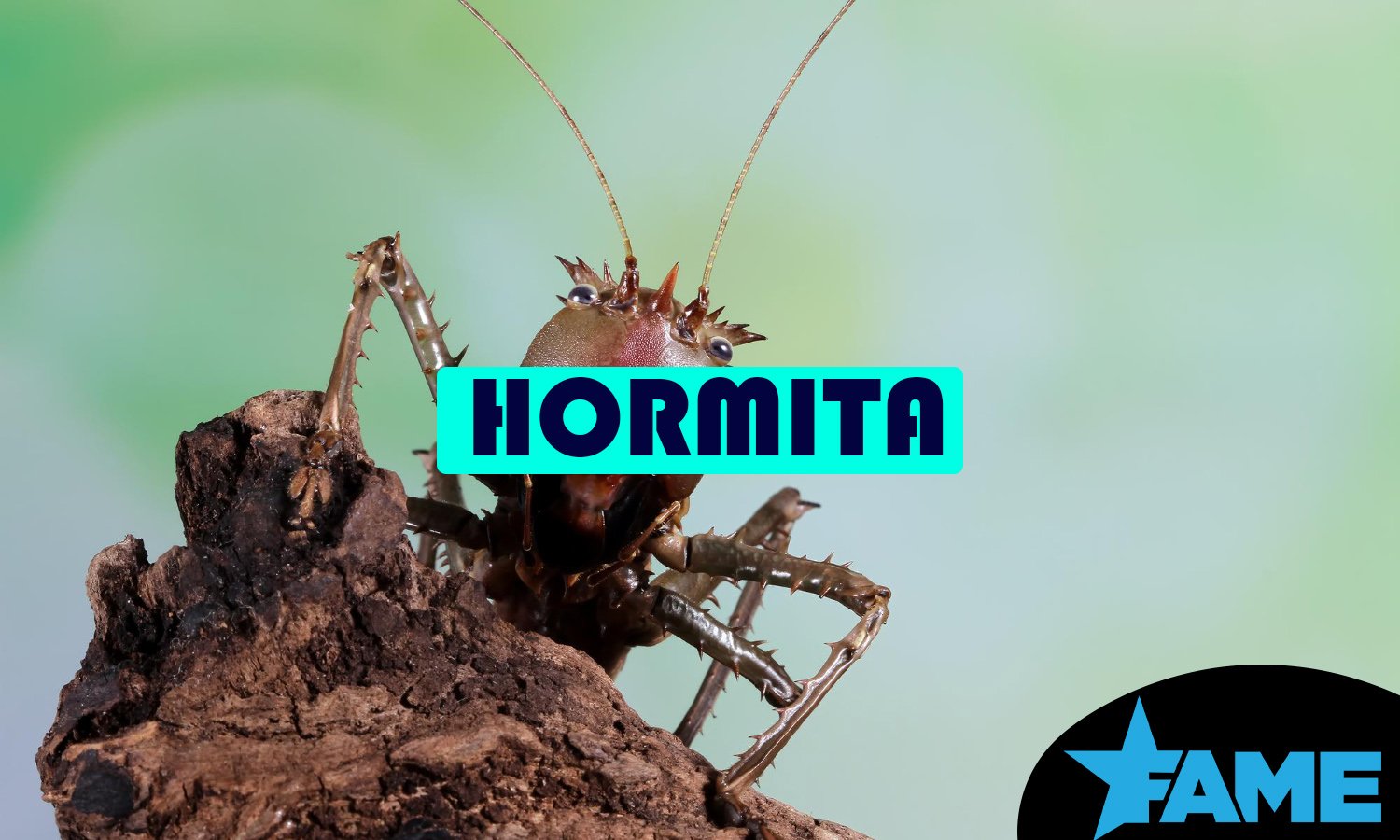
Hormita is a word that produces strikingly inconsistent definitions across different websites, with some describing it as a traditional Latin American steamed corn dish and others describing it as a wellness philosophy based on the biological concept of hormesis, while the word’s most defensible connection is to the Spanish word “hormiga,” meaning ant, combined with the diminutive suffix “-ita” to suggest “little ant.” This guide explains what the available evidence actually shows about hormita, why a single word ended up with such different and unrelated definitions, and what the term’s real linguistic root most likely is.
What Does Hormita Actually Mean?
Hormita does not have one single, independently confirmed meaning, since the sources describing it disagree with each other in a fundamental way: one definition frames it as a specific traditional food, a steamed dish made from corn masa filled with cheese or meat, while a completely unrelated definition frames it as a health and wellness philosophy centered on using small stressors to build resilience, a concept normally associated with the scientific term “hormesis.” These two definitions describe entirely different categories of thing, a specific food item versus an abstract wellness philosophy, and neither definition cites an independently verifiable origin, recipe tradition, or scientific source establishing hormita as an actual recognized term for either concept.
This kind of fundamental disagreement between sources, not just minor variation in describing the same underlying thing but genuinely unrelated definitions, is a strong signal that no single, established, real-world meaning anchors the word, and that different publishers have each attached their own plausible-sounding but unverified definition to the term independently.
What Is the Most Likely Real Origin of the Word Hormita?
The most likely real origin of the word hormita is the Spanish word “hormiga,” meaning ant, combined with the Spanish diminutive suffix “-ita,” which is commonly used to indicate something small or endearing, producing a meaning closer to “little ant.” This etymological connection is explicitly acknowledged even within some of the same articles that go on to attach unrelated culinary or wellness definitions to the word, suggesting that the genuine linguistic root, a diminutive form related to “ant,” is being used as a jumping-off point for entirely invented, unrelated concepts rather than being treated as the word’s actual, complete meaning.
It is worth noting that the standard Spanish diminutive of “hormiga” is typically rendered as “hormiguita,” retaining the “gu” from the base word, which makes “hormita” an irregular or nonstandard form at best, and possibly a simple misspelling or variant spelling that has been picked up and treated as a distinct word by content publishers rather than corrected back to its more standard spelling.
Is Hormita a Real Traditional Food Dish?
There is no independent confirmation that hormita is an established, recognized traditional food dish, despite one definition describing it as a steamed corn masa dish filled with cheese or meat. Traditional Latin American corn-based dishes with well-established names and recipe traditions, such as tamales, humitas, and similar corn-wrapped dishes, are independently documented through culinary history sources, regional cookbooks, and cultural food heritage resources, none of which confirm “hormita” specifically as a name within this established culinary tradition.
Notably, “humita” (without the “or”) is a real, well-documented traditional South American dish made from fresh corn, wrapped in corn husks, and closely resembling the description attached to “hormita” in some articles. This raises the strong possibility that “hormita” is either a misspelling or confused variant of “humita,” a genuinely established dish, mixed together with the unrelated “hormiga” or ant-related etymology, producing a garbled, inaccurate composite term rather than a distinct, independently real dish of its own.
Is Hormita a Real Wellness or Health Concept?
There is no independent scientific or health industry confirmation that “hormita” is an established term for a wellness philosophy, despite one definition connecting it to hormesis, a real, scientifically recognized concept referring to a beneficial biological response to low doses of stress or other agents that would be harmful at higher doses. Hormesis itself is a legitimate area of scientific study, but “hormita” specifically as a named wellness philosophy or branded concept built around this science does not appear in established health, medical, or wellness industry sources independent of the specific articles making this claim.
This pattern, borrowing credibility from a real scientific concept, hormesis, while attaching it to an unrelated invented term, hormita, is a recognizable technique in speculative content production, since referencing genuine science lends an invented concept an air of legitimacy it would not otherwise have on its own.
Why Does a Single Word End Up With So Many Unrelated Definitions?
A single word ends up with so many unrelated definitions when it generates enough search curiosity, often due to being unfamiliar, foreign-sounding, or resembling multiple different existing words, that several independent publishers each produce their own guess at a definition without coordinating with or checking each other’s work. In hormita’s case, the word’s phonetic resemblance to at least two different existing Spanish-rooted words and concepts, “hormiga” (ant) and “humita” (the real corn dish), combined with an unrelated scientific term, hormesis, that shares a similar sound, created multiple plausible directions for different publishers to independently guess toward.
This scattershot pattern, where a word’s ambiguity or resemblance to multiple real things generates multiple unrelated invented definitions rather than one consistent, verified meaning, is a recognizable feature of low-quality, search-driven content production, distinct from a genuine word with multiple legitimate senses, which would typically be documented consistently across independent, authoritative sources for each of its real meanings.
How Should You Handle a Word With This Kind of Conflicting Definition Pattern?
You should handle a word with this kind of conflicting definition pattern by tracing each proposed definition back to its most plausible real linguistic root and checking whether that root is independently verifiable, rather than accepting any single article’s confident-sounding definition at face value. In hormita’s case, this approach reveals that the word most likely traces back to either a misspelling of the real dish “humita,” a nonstandard rendering of “hormiguita” (little ant), or some blending of both, rather than being an independently real, single word with its own established meaning.
This tracing approach, working backward toward the most plausible genuine linguistic root rather than accepting an invented definition, is a useful general technique for any word or term that produces confusing or contradictory results across different sources, particularly when the term has a foreign-language-sounding structure that could plausibly connect to multiple different real words or concepts.
What Should You Search for Instead, Depending on What You Were Looking For?
If you were originally interested in the traditional Latin American corn dish described in some hormita articles, searching specifically for “humita,” the correctly spelled and independently documented traditional dish, will connect you to established culinary history and recipe sources rather than the unverified hormita content. If you were interested in the wellness concept of using small, controlled stressors to build resilience, searching for “hormesis,” the actual scientific term, will connect you to legitimate, independently documented scientific and health literature rather than an invented branded concept built loosely around that science.
Separating your original interest from the specific, unverified word “hormita” and searching instead for the correctly spelled, independently established term related to what you actually wanted to learn about is the most direct way to get accurate, useful information rather than continuing to research a word that does not have one single, confirmed meaning of its own.
Why Do Publishers Borrow Credibility From Real Scientific Concepts Like Hormesis?
Publishers borrow credibility from real scientific concepts like hormesis because attaching an invented term to a genuinely established, independently verifiable idea makes the invented term feel more legitimate and researched than it actually is, even when the connection between the two is superficial or entirely fabricated. A reader encountering a claim that “hormita is based on the scientific concept of hormesis” may reasonably assume some genuine research or established terminology backs the claim, since hormesis itself is real and documented in legitimate scientific literature, without realizing that the specific named concept, hormita, has no actual connection to that research beyond a passing thematic resemblance invented by the article’s author.
This technique, pairing an invented term with a real, credible-sounding scientific or technical concept, is worth watching for specifically in wellness and health-adjacent content, since this category of content is particularly prone to borrowing scientific-sounding language to lend unearned credibility to concepts, products, or philosophies that have not actually been studied or validated in the way the borrowed terminology might imply.
How Does the Culinary Confusion With Humita Add to This Pattern?
The culinary confusion with humita adds another layer to this pattern by showing how a simple spelling variation or transcription error, adding an “r” to turn “humita” into “hormita,” can create an entirely new, seemingly distinct search term that then attracts its own independent cluster of speculative content, disconnected from the correctly spelled, genuinely established dish it likely originated from. This kind of small spelling drift generating a completely separate content ecosystem is a recognizable feature of how search-driven content production can inadvertently or deliberately capitalize on typos, transliteration variations, and minor misspellings of otherwise well-documented words or names.
For anyone researching traditional foods, checking multiple plausible spelling variations of a term, particularly for words transliterated from a language using different conventions or dialects, is a reasonable practice to make sure you find the correctly documented version of a dish or concept rather than an accidental misspelling that has taken on its own separate, inaccurate life online.
Conclusion
Hormita has no single, independently verified meaning, with different sources offering fundamentally unrelated definitions, ranging from a traditional corn dish to a wellness philosophy tied to hormesis, that do not agree with each other and are not confirmed by independent culinary, scientific, or health sources. The word’s most plausible real connection is to the Spanish “hormiga” (ant) combined with a diminutive suffix, though it may also represent a misspelling of “humita,” a genuinely established traditional dish. Anyone researching this term should trace it back to whichever real, correctly spelled word most likely matches their original interest, whether that is the dish “humita” or the scientific concept “hormesis,” rather than continuing to treat “hormita” itself as an independently established word.
Frequently Asked Questions
What does hormita actually mean?
Hormita has no single confirmed meaning. Sources disagree, describing it as both a traditional corn dish and an unrelated wellness philosophy, which indicates no verified, established definition anchors the word.
Is hormita related to the Spanish word for ant?
Yes, the most defensible linguistic connection is to “hormiga,” the Spanish word for ant, combined with a diminutive suffix suggesting “little ant,” though the standard diminutive form is usually “hormiguita” rather than “hormita.”
Is hormita the same as humita, the traditional dish?
Hormita may be a misspelling or confused variant of “humita,” a real, independently documented traditional South American corn dish, since the descriptions closely match despite the different spelling.
Is hormita a real wellness concept related to hormesis?
There is no independent confirmation that hormita is an established wellness philosophy. Hormesis itself is a real scientific concept, but “hormita” as a named philosophy built around it does not appear in independent health or scientific sources.
What should I search for if I wanted accurate information?
Search for “humita” if you were interested in the traditional corn dish, or “hormesis” if you were interested in the wellness or scientific concept, since both are independently established terms unlike “hormita” itself.


Who Is Peter Buchignani? The Real Life Story of Carley Shimkus’s Husband

Who Is Rishia Haas? The Real Life Story of Andrew Zimmern’s Ex-Wife

Who Is Elaine Starchuk? The Real Life Story of Tommy Lee’s First Wife

Who Is Margie Washichek? The Real Life Story of Jimmy Buffett’s First Wife

Who Is Shelly Tresvant? The Real Life Story of Ralph Tresvant’s First Wife

Who Is Nikolai Peter Ingraham? The Real Life Story of Laura Ingraham’s Adopted Son

Who Is Thomas Emil Sicks? The Inspiring Life of Kiefer Sutherland’s Half-Brother

Who Is Aidan Thieriot? The Inspiring Life of Max Thieriot’s Brother

Who Is Michel Sáenz Castro? The Fascinating Life of Verónica Castro’s Son

Who Is Amelia Jane Henson? The Fascinating Life of Mia Sara and Brian Henson’s Daughter

Who Is América Guinart? A Remarkable Life of Alejandro Fernández’s Ex-Wife

Who Is Paris Brosnan? The Remarkable Life of Pierce Brosnan’s Son
-
 Celebrity2 months ago
Who Is Thomas Emil Sicks? The Inspiring Life of Kiefer Sutherland’s Half-Brother
-
 Celebrity2 months ago
Who Is Aidan Thieriot? The Inspiring Life of Max Thieriot’s Brother
-
 Celebrity2 months ago
Who Is Michel Sáenz Castro? The Fascinating Life of Verónica Castro’s Son
-
 Celebrity2 months ago
Who Is Amelia Jane Henson? The Fascinating Life of Mia Sara and Brian Henson’s Daughter
-
 Celebrity2 months ago
Who Is América Guinart? A Remarkable Life of Alejandro Fernández’s Ex-Wife
-
 Celebrity2 months ago
Who Is Paris Brosnan? The Remarkable Life of Pierce Brosnan’s Son
-

 Celebrity2 months ago
Who Is James Daniel Sundquist? The Extraordinary Life of Jimi Hendrix’s Son
-

 Celebrity2 months ago
Who Is London Bierk? The Real Life Story of Sebastian Bach’s Son