Celebrity
Who Is Debra Antney? The Real Life Story of Waka Flocka Flame’s Mother

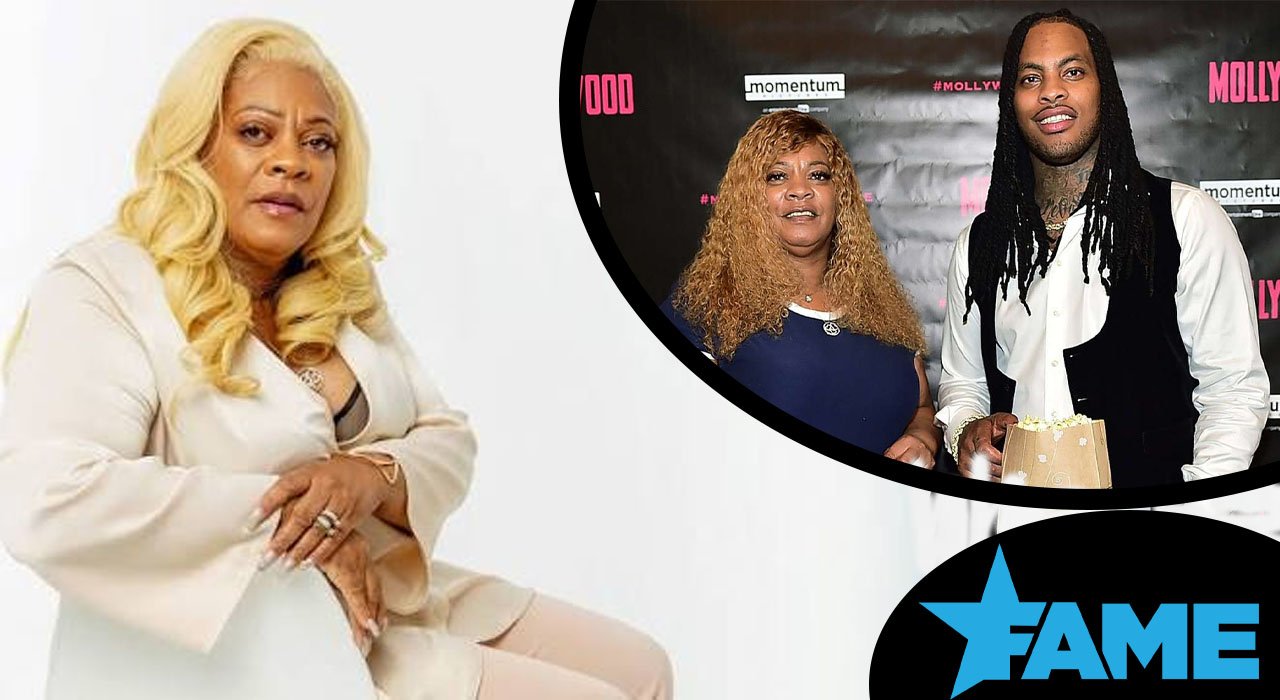
Debra Antney is the influential music manager and entertainment executive best known as the mother of rapper Waka Flocka Flame and as the industry force behind the early careers of Gucci Mane, Nicki Minaj, and French Montana. Founder and CEO of Mizay Entertainment, Debra built a reputation as one of hip-hop’s most formidable managers long before television audiences came to know her through her appearances on “Love & Hip Hop: Atlanta.”
This article looks at what is reliably documented about Debra Antney, her career discovering and managing major recording artists, her family life, and her advocacy work following personal tragedy.
Debra Antney: Quick Bio Table
| Category | Details |
|---|---|
| Full Name | Debra Antney |
| Known For | Music manager, mother of Waka Flocka Flame |
| Date of Birth | 7 March 1962, Jamaica, Queens, New York |
| Career | CEO, Mizay Entertainment |
| Artists Managed | Gucci Mane, Nicki Minaj, French Montana, Waka Flocka Flame |
| Reality TV | “Love & Hip Hop: Atlanta” (seasons 3-6) |
| Children | Eight, including Waka Flocka Flame |
Who Is Debra Antney?
Debra Antney was born on 7 March 1962 in Jamaica, Queens, New York City, growing up in a lively, culturally diverse neighbourhood that exposed her early to the music industry that would eventually define her career. Long before entering entertainment management professionally, Debra displayed entrepreneurial instincts from childhood, running small ventures including a lemonade stand and a babysitting service, foundational experiences that would later inform her hands-on, tenacious approach to artist management.
As a single mother of five, Debra worked multiple jobs, including a role with Georgia’s Department of Family and Children’s Services coordinating community activities, before her career took a decisive turn toward the music industry. This professional path, moving from social services work into artist management, reflects a genuinely unconventional route into the entertainment industry, one built on considerable personal resilience and a demonstrated ability to organise and advocate for others.
Interest in Debra Antney tends to follow renewed attention on her son Waka Flocka Flame’s music career or retrospectives examining the rise of Atlanta’s trap music scene during the late 2000s and early 2010s.
Waka Flocka Flame: The Son Behind the Fame
To understand Debra’s story, it helps to understand her son’s significant impact on hip-hop. Waka Flocka Flame, born Juaquin James Malphurs, emerged as one of the defining voices of Atlanta’s trap music scene, known for his high-energy delivery and hit singles that helped shape the sound of hip-hop during the early 2010s. Debra’s early guidance and management played a genuinely foundational role in launching his career, drawing on the industry relationships and business acumen she had already begun building through her work with other artists.
Waka’s success helped establish Debra’s own reputation within the industry, demonstrating that her management approach could translate directly into commercial success for an artist she had a deeply personal connection to, beyond the professional relationships she maintained with her other clients.
Debra’s Career as a Music Manager
Founding Mizay Entertainment
Debra founded Mizay Entertainment in 2007, establishing an Atlanta-based management and record label operation that would go on to develop several of hip-hop’s biggest names. Building a successful entertainment company from the ground up requires considerable business acumen, industry relationships, and an ability to identify genuine talent before it becomes widely recognised, qualities that Debra demonstrated repeatedly throughout her career.
This kind of independent business foundation, built without the backing of an already established major label infrastructure, reflects a genuinely significant entrepreneurial achievement within an industry that has historically presented considerable barriers to independent operators, particularly women.
Discovering and Developing Gucci Mane
Debra played a significant role in helping Gucci Mane break into the music industry during the earlier stages of his career, providing management support that helped establish him as one of Atlanta’s most influential rap figures. Their professional relationship later became strained, culminating in a 2013 lawsuit in which Gucci Mane accused Debra, Waka Flocka Flame, and others of taking control of his record label without permission and withholding royalties, a dispute that reflected the kind of complex, sometimes contentious relationships that can develop between artists and the managers who helped launch their careers.
This kind of legal and professional conflict, while difficult, is not unusual within the music industry, particularly when management relationships evolve over years alongside an artist’s growing commercial success and correspondingly higher financial stakes.
Launching Nicki Minaj and French Montana
Beyond Gucci Mane and her own son, Debra’s management work extended to Nicki Minaj during her early career, a contribution Minaj publicly acknowledged during her acceptance speech at the 2010 BET Awards. She also provided early management support to French Montana and OJ Da Juiceman, reflecting a genuinely broad talent-development record across multiple artists who would go on to achieve significant mainstream success.
Successfully identifying and developing multiple artists who each achieved considerable individual commercial success suggests Debra possessed a genuinely rare eye for talent, one that extended well beyond her personal connection to her own son’s career.
Debra’s Life on Reality Television
Joining Love & Hip Hop: Atlanta
Debra appeared as a supporting cast member across seasons three through six of “Love & Hip Hop: Atlanta,” bringing her real-life music industry expertise and forceful personality to the reality television format. This kind of transition from behind-the-scenes industry work into an on-camera role gave audiences a considerably more direct look at the personality and business approach that had already made her a respected, if sometimes controversial, figure within the music industry.
Her appearances also included the spin-off series “Chrissy & Mr. Jones” and “Growing Up Hip Hop: Atlanta,” reflecting her continued presence within the broader “Love & Hip Hop” media universe well beyond her initial introduction to television audiences.
A Family Loss Addressed With Advocacy
During her time on the show, Debra’s son Kayo Redd passed away, a profound loss that she has since channelled into advocacy work around suicide prevention and anti-bullying awareness. This kind of transformation, turning a genuinely devastating personal tragedy into sustained public advocacy intended to help other families avoid similar pain, reflects considerable courage and a determination to create meaning from an experience no parent should have to endure.
Debra’s establishment of the “No R.I.P.” movement, standing for “No Reckless Internet Posting,” grew directly from this loss, reflecting her broader concern about the ways online harassment and reckless posting can affect vulnerable young people, and her wish to protect other families from similar heartbreak.
Business Ventures Beyond Music Management
Be100 Radio
Debra launched Be100 Radio in 2013, an online platform designed to help independent musicians showcase their talent to a wider audience without the traditional barriers of mainstream radio programming. Building this kind of platform reflects Debra’s continued commitment to supporting emerging artists beyond her direct management roster, extending opportunities to musicians who might otherwise struggle to gain meaningful industry exposure.
Continued Work With Emerging Talent
Beyond her most famous clients, Debra has continued working with newer artists including Kash Doll and Jonni Blaze, alongside her role at Cobalt Publishing, demonstrating sustained involvement within the music industry well beyond the specific era that produced her most widely recognised successes. This kind of ongoing engagement with new talent, even after achieving considerable success with earlier clients, reflects a genuine, sustained passion for talent development rather than a career built around a single successful period.

Waka Flocka Flame’s Lasting Impact on Trap Music
Understanding the significance of Debra’s early management work requires appreciating just how influential Waka Flocka Flame’s music became within the broader trap music movement. His aggressive, high-energy style and commercial breakthroughs helped popularise a sound that would go on to dominate much of mainstream hip-hop throughout the following decade, cementing Atlanta’s status as one of the genre’s most influential regional scenes.
This kind of lasting genre influence means Debra’s early management decisions, made during her son’s formative career years, contributed to a shift that extended well beyond his own individual success, shaping the broader direction of commercial hip-hop for years afterward.
Building Trust Between Managers and Artists
Navigating a Notoriously Difficult Industry Role
Talent management within hip-hop has long carried a reputation for contentious relationships between artists and the people guiding their careers, with disputes over royalties, creative control, and business direction arising even in genuinely successful partnerships. Debra’s career, spanning multiple artists across more than a decade, required her to repeatedly build the kind of trust that allows an artist to hand over significant business decisions to someone else, even as that trust occasionally broke down, as it did in her later dispute with Gucci Mane.
This kind of sustained, high-stakes work, managing the careers and finances of multiple major recording artists simultaneously, demands considerable organisational skill alongside the emotional intelligence needed to navigate artists’ individual personalities and ambitions.
A Reputation Built on Toughness and Care
Debra has often been described within the industry as combining genuine toughness with authentic care for her artists’ development, a balance that helps explain why so many performers credited her guidance during pivotal, formative periods of their careers. This kind of dual reputation, being simultaneously firm in business dealings and genuinely invested in an artist’s personal wellbeing, reflects the particular skill set required to succeed as a manager within an industry where both qualities are frequently tested.
Being affectionately known within hip-hop circles as “Aunt Deb” suggests that, despite her demanding professional reputation, Debra maintained genuinely warm personal relationships with many of the artists and industry figures she worked alongside throughout her career.
Financial Literacy and Community Investment
Beyond her direct management work, Debra has also invested in financial literacy programmes at Brown Elementary School in Georgia, extending her business expertise into educational initiatives aimed at underserved communities. This kind of community investment, using industry knowledge and resources to support young people well outside the entertainment business itself, reflects a genuinely broader commitment to uplift beyond her immediate professional and family circles.
Why People Search for Debra Antney
People search for Debra Antney primarily out of curiosity about her son Waka Flocka Flame’s rise to fame, particularly fans wanting to understand the family and management story behind his early career success.
Others come across her name specifically while researching the broader history of Atlanta’s hip-hop industry, curious about the managers and executives who helped launch some of the genre’s biggest names during the late 2000s and early 2010s.
A further group of readers search for Debra Antney while exploring her advocacy work around suicide prevention and online harassment, following the loss of her son Kayo Redd.
Conclusion
Debra Antney’s story reflects a genuinely significant career within the music industry, discovering and developing artists including Gucci Mane, Nicki Minaj, French Montana, and her own son, Waka Flocka Flame, through her company Mizay Entertainment. Beyond her considerable professional achievements, Debra has channelled personal tragedy into sustained advocacy work addressing suicide prevention and online harassment. Her story offers a genuine example of how determination and business acumen can build a lasting legacy within one of the entertainment industry’s most competitive fields.
Frequently Asked Questions
Who is Debra Antney? Debra Antney is a music manager and entertainment executive best known as the mother of rapper Waka Flocka Flame and CEO of Mizay Entertainment.
Which artists has Debra Antney managed? She has managed or helped launch the careers of Gucci Mane, Nicki Minaj, French Montana, OJ Da Juiceman, and her son, Waka Flocka Flame.
Was Debra Antney on reality television? Yes. She appeared on “Love & Hip Hop: Atlanta” across seasons three through six, along with related spin-off series.
What is the No R.I.P. movement? The No R.I.P. movement, standing for “No Reckless Internet Posting,” is an advocacy initiative Debra founded following the loss of her son Kayo Redd, focused on suicide prevention and anti-bullying.
How many children does Debra Antney have? Debra has eight children, including her son Waka Flocka Flame.


Who Is Alisa Earle? The Real Life Story of Alix Earle’s Mother

MyGreenBucks.net Explained for New Personal Finance Readers

Who Is Berry William Borope Robinson? The Real Life Story of Smokey Robinson’s Son

Who Is Roderick Jeffrey Watts? The Real Life Story of Isabel Wilkerson’s Husband

Who Was Christopher Bixby? The Real Life Story of Bill Bixby’s Son

Who Is Carrie Schenken? The Real Life Story of Amanda Bearse’s Wife

Who Is Aidan Thieriot? The Inspiring Life of Max Thieriot’s Brother

Who Was Lauren Maxwell? The Extraordinary Life of Fetty Wap’s Daughter

Who Is Thomas Emil Sicks? The Inspiring Life of Kiefer Sutherland’s Half-Brother

Who Is Michel Sáenz Castro? The Fascinating Life of Verónica Castro’s Son

Who Is Joey Armstrong? The Extraordinary Journey of Billie Joe Armstrong’s Son

Who Is James Daniel Sundquist? The Extraordinary Life of Jimi Hendrix’s Son
-
 Celebrity4 weeks ago
Who Is Aidan Thieriot? The Inspiring Life of Max Thieriot’s Brother
-
 Celebrity4 weeks ago
Who Was Lauren Maxwell? The Extraordinary Life of Fetty Wap’s Daughter
-
 Celebrity4 weeks ago
Who Is Thomas Emil Sicks? The Inspiring Life of Kiefer Sutherland’s Half-Brother
-
 Celebrity1 month ago
Who Is Michel Sáenz Castro? The Fascinating Life of Verónica Castro’s Son
-
 Celebrity4 weeks ago
Who Is Joey Armstrong? The Extraordinary Journey of Billie Joe Armstrong’s Son
-
 Celebrity1 month ago
Who Is James Daniel Sundquist? The Extraordinary Life of Jimi Hendrix’s Son
-

 Celebrity1 month ago
Who Is Nanette Bledel? The Unforgettable Life of Alexis Bledel’s Mother
-

 Celebrity3 weeks ago
Who Is Paris Brosnan? The Remarkable Life of Pierce Brosnan’s Son