Celebrity
Who Is Catherine Lucey? The Journalist Behind the Viral “Piggy” Moment


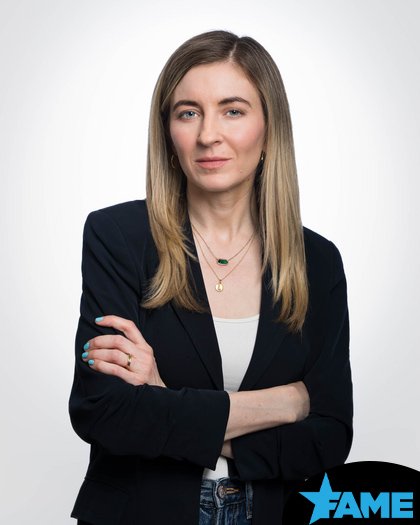
Catherine Lucey is a veteran White House correspondent for Bloomberg News who became a household name in November 2025 after President Donald Trump cut off one of her questions aboard Air Force One by telling her to be “Quiet, Piggy.” The moment, caught on camera, spread rapidly across social media and news coverage, turning a respected but low-profile political reporter into a widely searched name almost overnight.
This article, drawing on our own editorial standards, covers what is reliably known about Catherine Lucey, her long career covering American politics, the incident that brought her sudden fame, and how she and her employer responded.
Catherine Lucey: Quick Bio Table
| Category | Details |
|---|---|
| Full Name | Catherine Lucey |
| Known For | White House correspondent for Bloomberg News |
| Education | University of Pennsylvania |
| Career History | Philadelphia Daily News; Iowa political reporting; Associated Press; The Wall Street Journal; Bloomberg News |
| Current Role | White House Correspondent, Bloomberg News (since March 2025) |
| Notable Incident | Called “Piggy” by President Trump aboard Air Force One on 14 November 2025 |
| Beat | White House and national political coverage |
| Public Profile | Long respected within political journalism circles; gained wider public recognition in November 2025 |
Who Is Catherine Lucey?
Catherine Lucey is an American journalist who has spent nearly two decades covering American politics at the highest level, most recently as a White House correspondent for Bloomberg News. Long before the incident that brought her sudden mainstream attention, she had already built a respected career reporting on presidential campaigns, the White House, and Congress for some of the most influential news organisations in the country.
She graduated from the University of Pennsylvania before beginning her journalism career at the Philadelphia Daily News, where she covered Pennsylvania politics. She went on to spend four years reporting on politics in Iowa, a state whose early presidential caucuses make it a critical training ground for national political reporters.
Her career then moved to the Associated Press, where she covered the 2016 presidential race, one of the most closely watched and unusual campaigns in modern American history. She later joined The Wall Street Journal, covering the 2020 election and the administrations that followed, before joining Bloomberg News as a White House correspondent in March 2025.
Catherine Lucey’s Career in Political Journalism
Building a Reporter’s Reputation
Political journalism at the presidential campaign and White House level is widely regarded as one of the most demanding beats in the industry, requiring reporters to build trust with sources, ask difficult questions under intense scrutiny, and maintain accuracy while working under constant deadline pressure. Lucey’s steady progression from local Pennsylvania politics through Iowa caucus coverage to national outlets like the Associated Press and The Wall Street Journal reflects a career built through consistent, credible work rather than a single high-profile break.
Covering the 2016 election for the Associated Press placed her at the centre of one of the most heavily scrutinised campaigns in American history, an assignment typically reserved for reporters who have already demonstrated strong political instincts and reliable sourcing.
Wire service reporting for an organisation like the Associated Press demands a particular kind of speed and accuracy, since AP stories are distributed to thousands of member newspapers, television stations, and digital outlets simultaneously, meaning any error is amplified almost instantly across the national media landscape. Reporters who thrive in that environment typically develop an ability to verify information quickly while still maintaining the accuracy standards expected of the wire service’s reputation, skills that served Lucey well as she moved into subsequent roles at even higher-profile outlets.
Her subsequent move to The Wall Street Journal placed her at one of the most respected political desks in American journalism, covering the 2020 election cycle and the shifting dynamics of the Trump and Biden administrations that followed. The Journal’s political coverage is widely regarded within the industry for its emphasis on original reporting and access-driven scoops, a standard that further built Lucey’s credibility heading into her most recent role at Bloomberg.
Moving to Bloomberg News
Lucey joined Bloomberg News as a White House correspondent in March 2025, continuing the kind of high-level political reporting that had defined her career at the Associated Press and The Wall Street Journal. This role placed her among the small group of journalists with regular access to White House press briefings and presidential travel, including trips aboard Air Force One, the setting for the incident that would later bring her far wider public attention.
The “Piggy” Incident
What Happened
On 14 November 2025, aboard Air Force One, Catherine Lucey asked President Trump a question referencing files connected to Jeffrey Epstein and what they might reveal about the president’s own knowledge of “the girls” involved in Epstein’s case. When Lucey attempted to ask a follow-up question after the president’s initial response, Trump cut her off directly, saying, “Quiet. Quiet, Piggy,” before turning to answer a question from a different reporter instead.
The exchange took place in the relatively close, informal setting typical of press interactions aboard Air Force One, where reporters travelling with the president are able to ask questions directly during in-flight briefings, a format that increases the visibility of any tense exchange compared with a formal press conference.
The Context of the Question
Trump’s response to Lucey’s original question focused on denying any wrongdoing connected to Epstein, emphasising what he described as a poor relationship with the convicted sex offender and redirecting attention towards Bill Clinton’s own past associations with Epstein. It was specifically when Lucey attempted to press further on the topic that Trump used the remark that would go on to attract widespread attention.
Reactions to the Remark
A White House official defended the president’s comment afterwards, telling reporters that Lucey had “behaved in an inappropriate and unprofessional way” during the exchange, without offering further specifics about what that characterisation referred to. Bloomberg News, Lucey’s employer, responded by stating that its journalists perform a vital public service and remain focused on reporting issues of public interest fairly and accurately, a statement that notably did not directly address the specific remark made towards their reporter.
Lucey herself has not publicly commented on the exchange, a common approach among journalists who prefer not to become part of the story they are covering, even after becoming the direct subject of a widely shared moment. This restraint reflects a broader professional norm within political journalism, where reporters generally avoid inserting themselves into coverage of their own newsworthy encounters, leaving their employer’s statement to speak on the organisation’s behalf.
Why the Moment Went Viral
Exchanges between journalists and presidents occasionally attract significant attention, but this particular moment spread unusually quickly, likely due to a combination of factors: the informal, unscripted setting aboard Air Force One, the sharpness of the specific word choice, and the sensitive subject matter of the underlying question about the Epstein files. Video and audio of the exchange circulated widely across social media platforms within hours of the flight.
For many observers, the moment became a flashpoint in broader ongoing debates about how political leaders treat journalists, particularly women reporters, during contentious lines of questioning. This context helped ensure the clip continued to be shared and discussed well beyond the immediate news cycle of the original flight.
What This Means for Catherine Lucey’s Career
Being at the centre of a viral political moment can affect journalists in different ways. For some, it briefly overshadows years of substantive reporting work with a single, widely shared clip, while for others, it can reinforce their credibility as a reporter willing to ask difficult questions even under pressure. Given Lucey’s long track record covering multiple presidential administrations before this incident, her professional reputation within political journalism circles was already well established.
Her continued work as a Bloomberg White House correspondent since the incident suggests the moment has not disrupted her role covering the administration, even as it introduced her name to a far wider public audience than her usual byline typically reaches.
Tense exchanges between reporters and presidents are not new in American political history, though the tone and specific language used in this instance drew comparisons to other notable confrontations between the press corps and the Trump administration over the years. Media analysts have periodically noted that such moments, however uncomfortable for the reporters involved, rarely change how experienced political journalists are viewed by their editors and peers, who tend to place far greater weight on a reporter’s body of work than on a single, widely circulated exchange.
Colleagues within the White House press corps have occasionally spoken about the pressures of travelling with the president aboard Air Force One, a setting that combines the access reporters need to do their jobs with an unusually informal, close-quarters environment where exchanges can become heated in ways that a formal press briefing room setting is less likely to produce.
Why People Search for Catherine Lucey
Most people searching for Catherine Lucey since November 2025 are trying to learn more about the reporter in the viral Air Force One clip, wanting to understand her background and credibility as a journalist rather than simply the moment itself. Readers often want reassurance about who is asking difficult questions of the president, which naturally leads to searches about a reporter’s career history and track record.
Others come across her name through ongoing political coverage of the Epstein files controversy more broadly, since her original question was directly tied to that unfolding story, meaning her name continues to surface alongside developments in that wider political controversy.
A smaller group of readers search specifically to understand how accredited White House correspondents are selected and how outlets like Bloomberg structure their political coverage teams, using Lucey’s career path as a real-world example of how journalists typically progress from local beats through wire services to senior national roles.
Conclusion
Catherine Lucey built a substantial career in political journalism over nearly two decades, moving from local Pennsylvania reporting through Iowa caucus coverage to major national outlets including the Associated Press, The Wall Street Journal, and Bloomberg News, before a single moment aboard Air Force One introduced her to a far wider public audience. When President Trump told her to be “Quiet, Piggy” during a follow-up question about the Epstein files, the remark spread rapidly, turning a respected but relatively low-profile political reporter into a widely discussed name. Her employer’s measured response and her own decision not to comment publicly reflect a common approach among journalists who prefer to let their reporting, rather than a single viral moment, define their career.
Frequently Asked Questions
Who is Catherine Lucey? Catherine Lucey is a White House correspondent for Bloomberg News with a career spanning nearly two decades, including previous roles at the Associated Press and The Wall Street Journal.
Why did Trump call Catherine Lucey “Piggy”? On 14 November 2025, aboard Air Force One, Trump used the remark after Lucey attempted a follow-up question related to the Epstein files, following his initial answer denying any wrongdoing.
Where has Catherine Lucey worked before Bloomberg News? Before joining Bloomberg News in March 2025, Lucey worked at the Philadelphia Daily News, covered Iowa politics for four years, reported on the 2016 election for the Associated Press, and covered the 2020 election for The Wall Street Journal.
Did Catherine Lucey respond to being called “Piggy”? Lucey has not publicly commented on the exchange. Her employer, Bloomberg News, issued a statement emphasising its journalists’ commitment to fair and accurate public interest reporting.
What was Catherine Lucey’s question about? Lucey asked President Trump about files connected to Jeffrey Epstein and what they might reveal about his own knowledge of the girls involved in the case, before attempting a follow-up question that prompted his remark.
Find something new to read with our latest stories and updates.


Who Is Alisa Earle? The Real Life Story of Alix Earle’s Mother

MyGreenBucks.net Explained for New Personal Finance Readers

Who Is Berry William Borope Robinson? The Real Life Story of Smokey Robinson’s Son

Who Is Roderick Jeffrey Watts? The Real Life Story of Isabel Wilkerson’s Husband

Who Was Christopher Bixby? The Real Life Story of Bill Bixby’s Son

Who Is Carrie Schenken? The Real Life Story of Amanda Bearse’s Wife

Who Is Aidan Thieriot? The Inspiring Life of Max Thieriot’s Brother

Who Was Lauren Maxwell? The Extraordinary Life of Fetty Wap’s Daughter

Who Is Thomas Emil Sicks? The Inspiring Life of Kiefer Sutherland’s Half-Brother

Who Is Michel Sáenz Castro? The Fascinating Life of Verónica Castro’s Son

Who Is Joey Armstrong? The Extraordinary Journey of Billie Joe Armstrong’s Son

Who Is James Daniel Sundquist? The Extraordinary Life of Jimi Hendrix’s Son
-
 Celebrity4 weeks ago
Who Is Aidan Thieriot? The Inspiring Life of Max Thieriot’s Brother
-
 Celebrity4 weeks ago
Who Was Lauren Maxwell? The Extraordinary Life of Fetty Wap’s Daughter
-
 Celebrity4 weeks ago
Who Is Thomas Emil Sicks? The Inspiring Life of Kiefer Sutherland’s Half-Brother
-
 Celebrity4 weeks ago
Who Is Michel Sáenz Castro? The Fascinating Life of Verónica Castro’s Son
-
 Celebrity4 weeks ago
Who Is Joey Armstrong? The Extraordinary Journey of Billie Joe Armstrong’s Son
-
 Celebrity4 weeks ago
Who Is James Daniel Sundquist? The Extraordinary Life of Jimi Hendrix’s Son
-

 Celebrity4 weeks ago
Who Is Nanette Bledel? The Unforgettable Life of Alexis Bledel’s Mother
-

 Celebrity3 weeks ago
Who Is Paris Brosnan? The Remarkable Life of Pierce Brosnan’s Son