Blog
Best Tarta De Acelga Near Me and How to Find It Fast

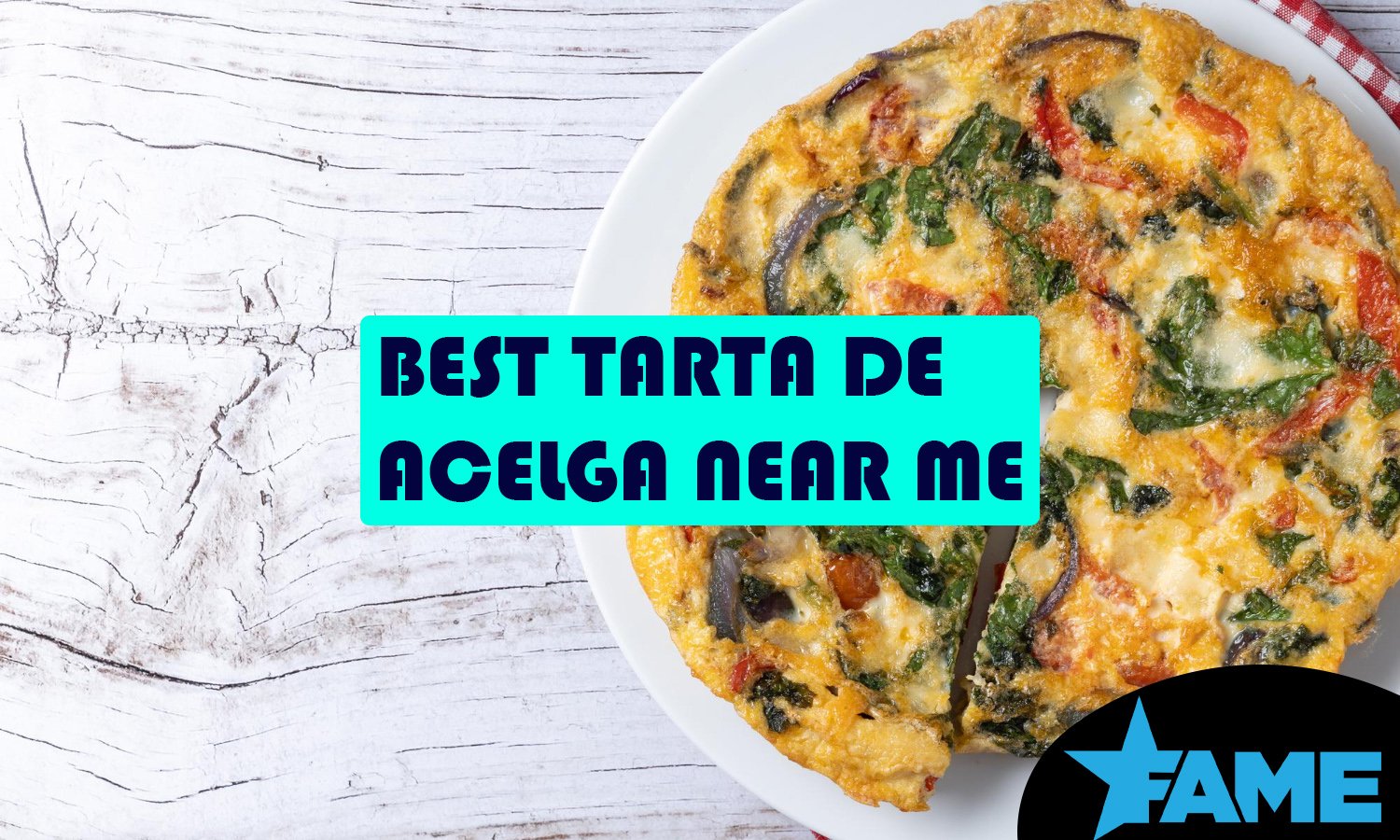
Finding the best tarta de acelga near me starts with knowing exactly what you are looking for before you walk into a bakery, deli, or restaurant. Tarta de acelga is a savory Swiss chard tart or pie, popular across Spain and Argentina, usually made with a buttery or olive-oil-based crust filled with sauteed chard, eggs, cheese, and sometimes onion or bell pepper. Because the dish varies so much from one kitchen to the next, “best” is not a fixed answer. It depends on the crust texture you prefer, how the filling is seasoned, and whether you want a home-style version or a more refined bakery take. This guide breaks down what separates an average tarta de acelga from a genuinely excellent one, gives you a practical method for finding strong options near your location, and answers the most common questions people ask before ordering or making one at home.
What Is Tarta De Acelga?
Tarta de acelga is a savory tart built around cooked Swiss chard, a leafy green in the same family as beets. The chard is typically washed, chopped, and sauteed with onion or garlic before being mixed with beaten eggs and, in many recipes, ricotta or a similar soft cheese. That mixture is poured into a pastry shell, often a simple shortcrust or a puff pastry base, then baked until the filling sets and the crust turns golden. The dish sits in the same family as quiche and other vegetable-and-egg tarts, but it has its own identity shaped by Spanish and Argentine home cooking traditions, where chard is a common, affordable, and nutrient-dense vegetable.
The tart can be served warm or at room temperature, which makes it a popular choice for lunch, a light dinner, or a picnic item. Some versions include cured meats like ham or chorizo for added flavor, while vegetarian versions lean on cheese and herbs like nutmeg or parsley to round out the taste. Because the base recipe is flexible, quality differences between one tarta de acelga and another usually come down to ingredient freshness, seasoning balance, and how well the crust is baked.
Why Do People Search for the Best Tarta De Acelga Near Me?
People search for the best tarta de acelga near me because it is a dish that varies significantly in quality and is not always easy to find outside Spanish or Argentine bakeries and specialty delis. Unlike more universally available foods, tarta de acelga tends to show up on limited menus, at farmers markets, or in family-run bakeries that specialize in savory pastries. Shoppers want to avoid a dry crust, an overly wet or bland filling, or a version that skimps on chard in favor of filler ingredients. Searching locally helps narrow down which nearby spots actually make it well, rather than guessing based on a menu description alone.
How Do You Find the Best Tarta De Acelga Near Me?
You find the best tarta de acelga near me by combining a targeted map search with a quick review check and, when possible, a direct question to the kitchen about how the tart is made. Start with a search engine or maps app using the exact phrase “tarta de acelga near me,” which will surface bakeries, delis, and restaurants that list the dish by name. From there, cross-reference customer reviews that specifically mention the tart rather than the business in general, since a restaurant can be excellent overall while still serving a mediocre version of one specific dish.
Use Specific Search Terms
Broad searches like “Spanish bakery near me” or “Argentine restaurant near me” will return results, but they will not tell you whether tarta de acelga is actually on the menu that day. Search directly for “tarta de acelga,” “Swiss chard tart,” or the Spanish phrasing used in your area, since some regions list it as “empanada de acelga” for a smaller, hand-held version rather than a full tart. Checking a restaurant’s online menu or calling ahead saves a wasted trip if the item is seasonal or only available on certain days.
Read Reviews That Mention the Dish by Name
Reviews that mention “tarta de acelga,” “chard tart,” or “chard pie” by name are far more useful than general star ratings. Look for comments describing the crust as flaky or soggy, the filling as well-seasoned or bland, and the portion size as generous or skimpy. A pattern across several reviews, rather than a single comment, gives a more reliable picture of consistency.
Check for Freshness Signals
Bakeries and delis that make tarta de acelga fresh daily, rather than holding it for multiple days, tend to produce a better product. Ask whether the tart is baked in-house and how often it is made. A kitchen that sells out of it regularly and rebakes often is generally a stronger sign of quality than one where the same tray sits in a display case for extended periods.
What Makes a Tarta De Acelga Genuinely Good?
A genuinely good tarta de acelga balances a well-baked, sturdy crust with a filling that tastes distinctly of chard rather than mostly of egg or cheese. The crust should hold its shape when sliced, without being either too dry and crumbly or undercooked and doughy in the center. The filling should be moist but not watery, since excess liquid from improperly drained chard is one of the most common flaws in homemade and commercial versions alike.
Crust Texture
The crust sets the foundation for the entire dish. A properly blind-baked or par-baked crust prevents the “soggy bottom” problem that occurs when raw dough absorbs moisture from the egg and vegetable filling during baking. Look for a crust with visible browning on the bottom and edges, which indicates it was fully cooked rather than rushed.
Filling Balance
The best versions use enough chard that the green color and slightly mineral, earthy flavor come through clearly, rather than being masked entirely by cheese or egg. Seasoning matters as well. A pinch of nutmeg, a touch of garlic, and adequate salt are common in well-made versions, since chard on its own can taste flat without support from complementary seasoning.
Portion and Presentation
A well-made tarta de acelga holds together when sliced and served, without the filling spilling out or the slice collapsing. Presentation is a smaller factor than taste and texture, but a clean slice with visible layers of crust and filling is usually a sign that the tart was allowed to cool and set properly before being cut.
Where Is Tarta De Acelga Most Commonly Found?
Tarta de acelga is most commonly found in Spanish and Argentine bakeries, delis, and family-owned restaurants, as well as at farmers markets or food festivals that feature Spanish or Latin American cuisine. In larger cities with established Spanish or Argentine communities, dedicated bakeries often carry it as a daily or weekly item. Smaller towns may only offer it through home cooks who sell baked goods informally or through specialty grocery stores that stock prepared foods from Spanish and South American suppliers.
Because the dish is regional rather than mainstream, availability can shift by season and by location. Checking multiple sources, including a general web search, a maps app, and any local Spanish or Argentine grocery store, increases the chances of finding a fresh, well-made version nearby.
How Does Tarta De Acelga Compare to Similar Dishes?
Tarta de acelga is closely related to quiche and spanakopita, but it differs in both ingredients and technique. Quiche typically relies on a custard-heavy filling with a higher cream and egg ratio, while tarta de acelga tends to use less dairy and lets the chard carry more of the flavor and texture. Spanakopita, a Greek dish, uses spinach wrapped in thin layers of phyllo dough rather than a thicker shortcrust or puff pastry base, giving it a flakier, lighter structure compared to the denser crust typical of tarta de acelga.
Understanding these differences helps when searching, since some restaurants may list a chard-based dish under a different name or blend techniques from more than one tradition. If a menu describes a “Swiss chard quiche” or “chard pie,” it may be functionally similar to tarta de acelga even without using the exact Spanish name.
Can You Make Tarta De Acelga at Home If You Cannot Find It Nearby?
Yes, tarta de acelga can be made at home with basic ingredients, including chard, eggs, a soft cheese like ricotta, and a pastry crust, making it a practical option when no local bakery or restaurant carries it. The dish does not require specialized equipment beyond a tart pan or pie dish, and the chard filling comes together in under 20 minutes on the stovetop before baking. For readers who want a full recipe walkthrough with exact measurements and baking times, [our step-by-step chard tart recipe guide] offers a complete method suited to home kitchens.
Home preparation also allows for customization that may not be available when buying locally, such as adjusting the amount of cheese, swapping in a gluten-free crust, or adding ingredients like sun-dried tomatoes or feta for a different flavor profile.
What Should You Ask Before Ordering Tarta De Acelga Near You?
Before ordering, ask whether the tart is made fresh that day, whether the crust is baked in-house, and whether the filling contains any allergens such as dairy or gluten. Asking about portion size is also useful, since some bakeries sell individual slices while others only offer a whole tart, which matters if you are buying for one person versus a family. If ordering for pickup, confirm whether the tart should be reheated and how, since some versions are best served warm while others are intended to be eaten at room temperature.
Conclusion
Tracking down the best tarta de acelga near me comes down to knowing what a well-made version looks and tastes like, then using specific search terms and review details to find a bakery, deli, or restaurant that delivers on crust texture, filling balance, and freshness. Whether you find a strong local option or decide to bake one yourself, understanding the dish’s origins and what separates a good version from a mediocre one puts you in a much better position to enjoy it the way it is meant to be served.
Frequently Asked Questions
What does tarta de acelga taste like?
Tarta de acelga tastes earthy and slightly mineral from the Swiss chard, balanced by the richness of eggs and cheese in the filling. The crust adds a buttery or savory contrast, and mild seasonings like garlic, nutmeg, or black pepper round out the overall flavor without overpowering the chard itself.
Is tarta de acelga the same as spinach quiche?
No, tarta de acelga uses Swiss chard rather than spinach, and it typically contains less cream than a traditional quiche. The two dishes are similar in concept, both being savory egg-and-vegetable tarts, but they differ in the primary vegetable and in the ratio of dairy to eggs used in the filling.
Can tarta de acelga be frozen?
Yes, tarta de acelga can be frozen either baked or unbaked, though texture holds up best when frozen after baking and fully cooled. To reheat, thaw it in the refrigerator overnight and warm it in the oven rather than a microwave, which helps the crust regain some crispness instead of turning soggy.
Is tarta de acelga vegetarian?
Most traditional tarta de acelga recipes are vegetarian, relying on chard, eggs, and cheese without any meat. Some regional variations add ham, chorizo, or bacon, so it is worth checking with the seller or reading the ingredient list if you are following a strict vegetarian diet.
How long does tarta de acelga last in the refrigerator?
Tarta de acelga typically lasts three to four days in the refrigerator when stored in an airtight container. Reheating it in an oven or toaster oven rather than a microwave helps preserve the texture of the crust better than microwaving, which can make the pastry soft.


Who Is Alisa Earle? The Real Life Story of Alix Earle’s Mother

MyGreenBucks.net Explained for New Personal Finance Readers

Who Is Berry William Borope Robinson? The Real Life Story of Smokey Robinson’s Son

Who Is Roderick Jeffrey Watts? The Real Life Story of Isabel Wilkerson’s Husband

Who Was Christopher Bixby? The Real Life Story of Bill Bixby’s Son

Who Is Carrie Schenken? The Real Life Story of Amanda Bearse’s Wife

Who Is Aidan Thieriot? The Inspiring Life of Max Thieriot’s Brother

Who Was Lauren Maxwell? The Extraordinary Life of Fetty Wap’s Daughter

Who Is Thomas Emil Sicks? The Inspiring Life of Kiefer Sutherland’s Half-Brother

Who Is Michel Sáenz Castro? The Fascinating Life of Verónica Castro’s Son

Who Is Joey Armstrong? The Extraordinary Journey of Billie Joe Armstrong’s Son

Who Is James Daniel Sundquist? The Extraordinary Life of Jimi Hendrix’s Son
-
 Celebrity4 weeks ago
Who Is Aidan Thieriot? The Inspiring Life of Max Thieriot’s Brother
-
 Celebrity4 weeks ago
Who Was Lauren Maxwell? The Extraordinary Life of Fetty Wap’s Daughter
-
 Celebrity4 weeks ago
Who Is Thomas Emil Sicks? The Inspiring Life of Kiefer Sutherland’s Half-Brother
-
 Celebrity1 month ago
Who Is Michel Sáenz Castro? The Fascinating Life of Verónica Castro’s Son
-
 Celebrity4 weeks ago
Who Is Joey Armstrong? The Extraordinary Journey of Billie Joe Armstrong’s Son
-
 Celebrity1 month ago
Who Is James Daniel Sundquist? The Extraordinary Life of Jimi Hendrix’s Son
-

 Celebrity1 month ago
Who Is Nanette Bledel? The Unforgettable Life of Alexis Bledel’s Mother
-

 Celebrity3 weeks ago
Who Is Paris Brosnan? The Remarkable Life of Pierce Brosnan’s Son