Celebrity
Who Is Harlene Rosen? The Journey and Legacy of Woody Allen’s First Wife

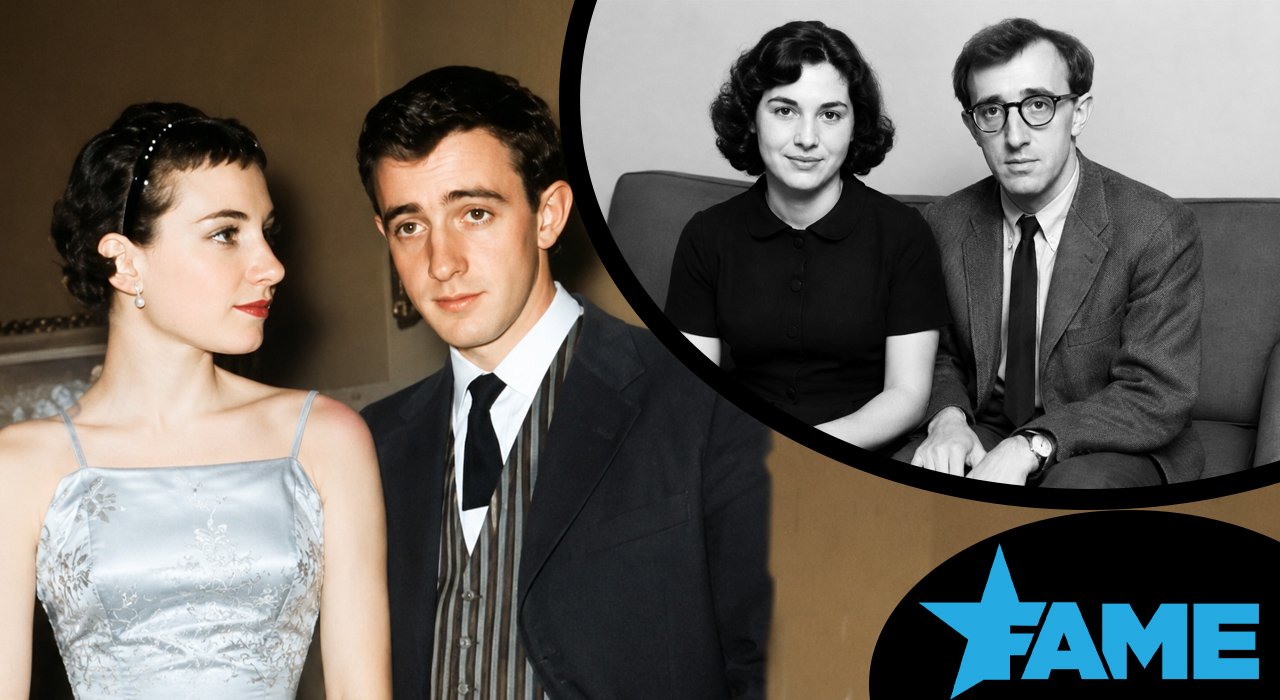
Harlene Rosen was the first wife of Woody Allen, the filmmaker and comedian who would go on to become one of American cinema’s most prolific and honoured directors. Harlene and Woody married in 1956, while both were still teenagers, and divorced six years later in 1962. In the years that followed, Harlene chose to build a life almost entirely away from public attention, a decision that has largely defined her story ever since.
This article, approached with the sensitivity her long-held privacy deserves, looks at what is reliably documented about Harlene Rosen, her early marriage, the difficulties that followed, and her life since.
Harlene Rosen: Quick Bio Table
| Category | Details |
|---|---|
| Full Name | Harlene Susan Rosen |
| Known For | First wife of Woody Allen |
| Born | 1940, Brooklyn, New York |
| Married Woody Allen | 1956 |
| Divorced | 1962 |
| Children | None from the marriage |
Who Is Harlene Rosen?
Harlene Susan Rosen was born in 1940 in Brooklyn, New York, to a Jewish family, though little detailed public information exists about her life before she met the young comedy writer who would later become known as Woody Allen. The couple became engaged in 1955, when Harlene was just sixteen years old and Woody was nineteen, marrying the following year while both were still teenagers, a marriage that took place within a cultural context where early marriages of this kind were considerably more common than they are today.
Harlene played piano in Woody’s jazz band during their relationship, reflecting a shared early interest in music and creative pursuits that formed part of their connection as a young couple. Their marriage, however, proved difficult from its earliest days, with the couple reportedly never experiencing a proper honeymoon period together, and the relationship gradually broke down over the following years.
Interest in Harlene Rosen tends to arise during renewed public discussion of Woody Allen’s early career and comedy work, particularly retrospectives examining his formative years as a young stand-up performer before his transition into filmmaking.
Woody Allen: The Husband Behind the Fame
To understand Harlene’s story, it helps to understand the man she married and the career he went on to build. Woody Allen, born Allan Stewart Konigsberg, began his professional career as a comedy writer before transitioning into stand-up performance during the same period he was married to Harlene. His early stand-up material drew heavily on his own personal life, a comedic approach that would remain a defining feature of his work throughout much of his career.
Following his marriage to Harlene, Woody went on to build one of American cinema’s most prolific directing careers, writing and directing dozens of films across five decades, earning numerous Academy Award nominations and wins throughout his career. His early stand-up years, including the period during and immediately following his marriage to Harlene, laid important groundwork for the confessional, personal comedic style that would characterise much of his subsequent film work.
Harlene and Woody’s Marriage
A Young Marriage That Struggled From the Start
Harlene and Woody’s marriage, beginning when both were still teenagers, faced considerable strain from its earliest days, a difficulty that is perhaps unsurprising given the young age at which they committed to marriage and the pressures that come with building an adult partnership so early in life. Marrying at such a young age, before either partner had fully developed into the adults they would eventually become, presents genuine challenges that many couples in similar circumstances have historically found difficult to navigate successfully.
The couple’s six-year marriage included a period of separation before their formal divorce in 1962, suggesting the relationship’s difficulties became evident well before the marriage’s official conclusion. No children were born during the marriage.
Public Comedy That Caused Private Harm
During and after their marriage, Woody frequently referenced Harlene within his stand-up comedy routines, material that reportedly included unflattering comparisons made during nightclub performances. This kind of public mockery of a former spouse, delivered before live audiences as part of a rising comedian’s act, caused Harlene genuine and lasting personal distress, prompting her to pursue legal action against Woody during the late 1960s over what she considered defamatory material.
The matter was ultimately resolved through an out-of-court settlement that included a cease-and-desist arrangement, addressing the specific material Woody had used about her in his performances. This kind of legal dispute between former spouses, arising specifically from one partner’s public comedic use of details from their shared marriage, reflects the genuine harm that can come from having deeply personal experiences turned into public entertainment without consent.
A Divorce Settlement Reflecting the Era
The financial settlement reached as part of Harlene and Woody’s divorce required him to pay her weekly alimony, with the amount structured to increase should his income grow, a common approach to divorce settlements during this period. This kind of arrangement reflected the earning trajectory Woody was already beginning to experience as his career gained momentum, even in the years immediately following their marriage’s end.
Harlene’s Life After the Divorce
Choosing a Life Away From Public Attention
Following her divorce from Woody, Harlene made the deliberate and lasting choice to build a private life almost entirely away from public reporting, a decision she has maintained consistently for well over six decades since their marriage ended. This kind of sustained, long-term privacy, chosen and maintained across such an extended period despite her former husband’s continued and considerable public prominence, reflects a genuinely resolute commitment to living life on her own terms, away from any ongoing public interest in her early marriage.
Choosing this path, particularly given the difficult, publicly mocking way her name had once been used in her former husband’s comedy material, is entirely understandable, and her sustained privacy in the decades since deserves the same respect any individual’s wish to move on from a painful chapter would warrant.
A Measure of Reconciliation
By 2015, more than five decades after their divorce, reports indicated that Harlene had spoken about the marriage with a degree of forgiveness, acknowledging that both she and Woody had been very young and that their marriage’s difficulties reflected the genuine growing pains of two teenagers navigating adult commitments before they were truly ready for them. This kind of reflective, measured perspective, offered so many years after the marriage’s painful end, suggests Harlene approached her own history with considerable grace and self-awareness.
Reaching this kind of place, able to reflect on a genuinely difficult early chapter of one’s life with understanding rather than lingering resentment, often takes considerable time and personal growth, and Harlene’s willingness to acknowledge this perspective publicly, even briefly, reflects real emotional maturity regarding an experience that clearly caused her genuine pain decades earlier.

Understanding Early Marriage in Mid-Century America
A Different Cultural Context
Marrying as teenagers, while it would raise considerably more concern by today’s standards, was a pattern not unusual within certain communities during the 1950s, reflecting different social expectations around courtship, adulthood, and marriage timing during that particular era. Understanding Harlene and Woody’s marriage requires placing it within this specific historical and cultural context, rather than viewing it solely through a contemporary lens.
This kind of historical context does not diminish the genuine difficulties the marriage faced, but it does help explain why such a young marriage was possible in the first place, reflecting broader social patterns of the period rather than an unusual individual circumstance.
The Particular Vulnerability of Being a Young, Public Spouse
Being married to a rising, ambitious young comedian whose entire craft involved mining personal experience for material placed Harlene in a particularly vulnerable position, with details of her private life and marriage becoming source material for a stranger’s entertainment before she had even reached her twenties. This dynamic, a young spouse’s personal life becoming public material without her consent, illustrates a genuine ethical tension that has long existed within confessional comedy and storytelling, one that Harlene’s subsequent legal action directly addressed.
Woody Allen’s Subsequent Career
Understanding the broader context of the public interest that has followed Harlene requires appreciating just how significant Woody’s career became in the decades following their divorce. His filmography expanded to include dozens of films across five decades, earning him considerable critical acclaim alongside, in later years, significant public controversy connected to his personal life. This kind of sustained, high-profile career means Harlene’s name has periodically resurfaced in retrospectives and biographical examinations of Woody’s early life, despite her own consistent efforts to remain out of public reporting.
The Value of Respecting a Private Life
Reporting What Is Known Without Speculation
Because Harlene has spent well over sixty years deliberately outside public life, responsible coverage of her story requires a particular discipline: reporting what has been reliably documented about her early marriage and its aftermath, while resisting any temptation to speculate about the private life she has since built. This kind of restraint matters especially given how her name first became associated with public attention, through material she never consented to and later took genuine legal action to address.
Treating her subsequent decades of privacy as worthy of the same protection she originally sought reflects a basic consistency in how her story ought to be told, honouring the boundary she established rather than working around it.
A Story That Illustrates a Broader Principle
Harlene’s experience offers a genuinely useful illustration of a broader principle relevant well beyond her own individual story: that people who intersect, even briefly, with a public figure’s early life are not thereby obligated to remain permanently part of the public record. Her sustained, successful effort to reclaim her privacy after such a difficult and publicly humiliating chapter stands as a genuine example of resilience, one worth acknowledging with respect rather than treating as an unresolved mystery deserving further investigation.
Why People Search for Harlene Rosen
People search for Harlene Rosen primarily out of curiosity about Woody Allen’s early life, particularly those researching his formative years as a young comedian before his transition into filmmaking.
Others come across her story specifically while examining the broader history of confessional comedy, curious about the real personal consequences that can follow when private relationships become public material.
A further group of readers search for Harlene Rosen while exploring how individuals connected to a public figure’s early life can reclaim their privacy and move forward on their own terms.
Conclusion
Harlene Rosen’s story reflects a difficult early marriage, entered into as a teenager and marked by genuine personal hardship, including the public use of details from her private life within her former husband’s comedy material. In the more than six decades since her divorce from Woody Allen, Harlene has chosen a life defined by privacy rather than public engagement, a decision she has maintained consistently despite her former husband’s continued prominence. Her story offers a genuine, human reminder of the real people whose lives sometimes intersect briefly, and painfully, with the early careers of those who later achieve considerable fame.
Frequently Asked Questions
Who is Harlene Rosen?
Harlene Rosen was the first wife of filmmaker Woody Allen, married to him from 1956 to 1962 while both were still teenagers.
Did Harlene Rosen and Woody Allen have children?
No. The couple did not have children during their six-year marriage.
Why did Harlene Rosen take legal action against Woody Allen?
She filed a defamation claim over unflattering comments he made about her during his stand-up comedy routines, a matter that was settled out of court.
What has Harlene Rosen done since her divorce?
Harlene has chosen to live a private life away from public attention in the decades since her divorce, with very few details about her later life publicly documented.
Has Harlene Rosen spoken about her marriage to Woody Allen?
By 2015, reports indicated she had reflected on their marriage with a degree of understanding, acknowledging both had been very young at the time.


Who Is Alisa Earle? The Real Life Story of Alix Earle’s Mother

MyGreenBucks.net Explained for New Personal Finance Readers

Who Is Berry William Borope Robinson? The Real Life Story of Smokey Robinson’s Son

Who Is Roderick Jeffrey Watts? The Real Life Story of Isabel Wilkerson’s Husband

Who Was Christopher Bixby? The Real Life Story of Bill Bixby’s Son

Who Is Carrie Schenken? The Real Life Story of Amanda Bearse’s Wife

Who Is Aidan Thieriot? The Inspiring Life of Max Thieriot’s Brother

Who Was Lauren Maxwell? The Extraordinary Life of Fetty Wap’s Daughter

Who Is Thomas Emil Sicks? The Inspiring Life of Kiefer Sutherland’s Half-Brother

Who Is Michel Sáenz Castro? The Fascinating Life of Verónica Castro’s Son

Who Is Joey Armstrong? The Extraordinary Journey of Billie Joe Armstrong’s Son

Who Is James Daniel Sundquist? The Extraordinary Life of Jimi Hendrix’s Son
-
 Celebrity4 weeks ago
Who Is Aidan Thieriot? The Inspiring Life of Max Thieriot’s Brother
-
 Celebrity4 weeks ago
Who Was Lauren Maxwell? The Extraordinary Life of Fetty Wap’s Daughter
-
 Celebrity4 weeks ago
Who Is Thomas Emil Sicks? The Inspiring Life of Kiefer Sutherland’s Half-Brother
-
 Celebrity1 month ago
Who Is Michel Sáenz Castro? The Fascinating Life of Verónica Castro’s Son
-
 Celebrity4 weeks ago
Who Is Joey Armstrong? The Extraordinary Journey of Billie Joe Armstrong’s Son
-
 Celebrity1 month ago
Who Is James Daniel Sundquist? The Extraordinary Life of Jimi Hendrix’s Son
-

 Celebrity1 month ago
Who Is Nanette Bledel? The Unforgettable Life of Alexis Bledel’s Mother
-

 Celebrity3 weeks ago
Who Is Paris Brosnan? The Remarkable Life of Pierce Brosnan’s Son