Guide
Kouskousi: A Complete Guide To This North African Dish

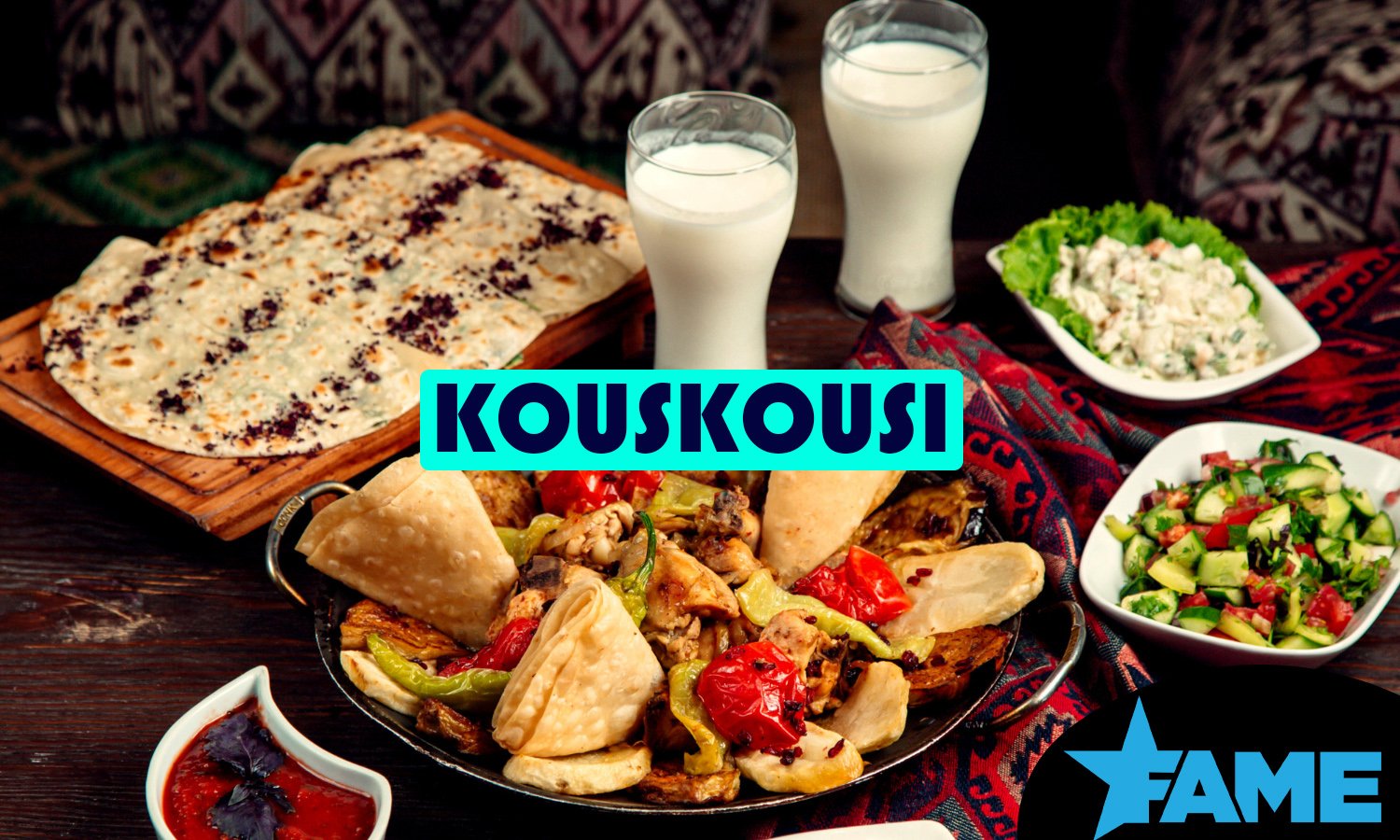
Kouskousi is a steamed semolina dish that forms the backbone of everyday cooking and celebration meals across North Africa’s Maghreb region. Most English speakers know this dish by its more common spelling, couscous, but “kouskousi” is one of several regional names used for it in parts of Algeria, Morocco, Tunisia, and neighboring countries, alongside terms such as seksu and kesksou. The dish itself is simple in concept and remarkably flexible in practice: tiny granules of durum wheat semolina are rolled by hand or machine, steamed until light and fluffy, and then paired with vegetables, meat, fish, or a spiced broth. Because of its long history and deep cultural roots, the United Nations Educational, Scientific and Cultural Organization (UNESCO) added the knowledge, skills, and practices tied to couscous production and consumption to its Representative List of the Intangible Cultural Heritage of Humanity on December 16, 2020, following a joint nomination by Algeria, Mauritania, Morocco, and Tunisia. This guide walks through what kouskousi is, how it differs from related dishes, how it is traditionally prepared, and why it continues to matter to millions of home cooks and families.
What Is Kouskousi?
Kouskousi is a North African dish made from small steamed granules of semolina, most often produced from durum wheat. In practical terms, it refers to the same food that English speakers usually call couscous: a light, absorbent grain-like staple that takes on the flavor of whatever broth, spice blend, or sauce it is served with. The name itself varies by country and dialect. In parts of the Maghreb, cooks and food writers use kouskousi, kesksou, or seksu interchangeably to describe the identical preparation, so a reader who searches for “kouskousi” and one who searches for “couscous” are usually asking about the same food.
What sets kouskousi apart from ordinary pasta or rice is the preparation method. The semolina is not boiled directly. Instead, it is moistened, rolled into small pellets, and steamed in stages inside a two-part pot traditionally called a couscoussier, which allows steam from a simmering stew below to rise up and cook the grains above. This slow, repeated steaming produces the dish’s signature light and separate texture, rather than the sticky or mushy result that direct boiling tends to create.
What Is Kouskousi Made From?
The base ingredient in kouskousi is semolina, a coarse flour milled from durum wheat, though barley and other grains have historically been used as well, particularly in rural and mountain regions. Water and a small amount of salt are worked into the semolina by hand to form the tiny granules that give the dish its texture. From there, kouskousi is built up with additional ingredients depending on the meal and the region:
- A broth or stew base, often flavored with onions, tomatoes, and warming spices such as cumin, coriander, ginger, or saffron
- Root vegetables, including carrots, turnips, zucchini, and squash
- Chickpeas or other legumes
- Meat such as lamb, chicken, or beef, and in coastal areas, fish or seafood
- Dried fruit, such as raisins, in some Moroccan-style sweet-and-savory preparations
Because the semolina itself has a mild, neutral flavor, it functions much like rice does in other cuisines: a canvas that absorbs the seasoning of the stew or sauce served alongside it.
Is Kouskousi the Same As Couscous?
Yes, kouskousi and couscous refer to the same North African dish; the difference is one of spelling and regional pronunciation rather than a different food. A 2020 report on the UNESCO nomination noted that the dish is called couscous, seksou, kesksou, or kouskousi depending on the country and dialect within the Maghreb. All of these names describe the identical process of rolling semolina into granules and steaming them, and all of them refer to a dish central to family meals across Algeria, Morocco, Tunisia, Libya, and Mauritania.
That said, readers researching the word online will occasionally find it linked to a different, smaller dish in Greek home cooking, sometimes called kouskousaki, which is a small round pasta used in soups and baked dishes rather than a steamed semolina staple. This Greek preparation is cooked by boiling, not steaming, and it belongs to a separate culinary tradition. When most people search for kouskousi in an English-language context, however, they are almost always asking about the North African semolina dish described throughout this guide.
Where Does Kouskousi Come From?
Kouskousi traces its roots to the Berber, or Amazigh, communities of North Africa, and it has been prepared across the Maghreb for centuries. Historians have traced written references to the dish back through medieval North African and Andalusian sources, pointing to a long, continuous history of preparation methods that have changed relatively little over time. The Maghreb itself, the northwestern stretch of Africa that includes Morocco, Algeria, Tunisia, and parts of Libya and Mauritania, has sometimes been defined culturally by its shared consumption of this dish.
The 2020 UNESCO inscription formally recognized this shared heritage. Algeria, Mauritania, Morocco, and Tunisia submitted a joint application rather than competing individual bids, an unusual step given the countries’ broader political differences. The nomination described the dish as being present at nearly every social or cultural event in the region, both an everyday food and a centerpiece of celebrations, weddings, and religious holidays. It also highlighted the specific role that women have traditionally played in passing down preparation techniques, along with the songs, phrases, and rituals that often accompany the cooking process within families.
What Are the Regional Variations of Kouskousi?
While the core technique of rolling and steaming semolina stays consistent, the flavor profile and accompaniments of kouskousi shift noticeably from country to country and even from household to household.
Moroccan Style
Moroccan kouskousi is often prepared with a fragrant vegetable and meat stew seasoned with saffron, ginger, and cumin. Friday is the traditional day for family couscous meals in much of Morocco, following midday prayers, and the dish frequently appears at weddings and other communal gatherings.
Algerian Style
Algerian versions tend to include a heartier, spicier broth, sometimes finished with harissa, a chili paste common across the eastern Maghreb. Lamb and chickpeas are frequent additions, and regional variations exist even within Algeria depending on the area.
Tunisian Style
Tunisian kouskousi typically leans further into heat and spice, again relying on harissa, along with tomato-based sauces and a wider use of seafood in coastal regions, reflecting Tunisia’s Mediterranean coastline.
Other Regional Forms
In parts of the Sahel and West Africa, cooks have historically substituted millet, sorghum, or maize for durum wheat semolina, adapting the same rolling and steaming technique to locally available grains.
How Is Kouskousi Traditionally Made?
Traditional preparation is a multistep process built around patience rather than speed, and it reflects techniques passed down within families for generations.
- Moisten and roll the semolina. Cooks sprinkle semolina with water and roll it by hand in a wide, shallow dish, working the grains into small, even pellets.
- Sieve the granules. The rolled semolina is passed through a sieve to sort pellets by size, with larger clumps rolled again.
- Steam in stages. The semolina is placed in the top basket of a couscoussier, positioned over a simmering pot of stew, broth, or spiced water. Steam rises through the grains, and the process is typically repeated two or three times, with the semolina fluffed and lightly dampened between steamings.
- Finish and season. Once light and tender, the grains are transferred to a serving dish, often finished with a small amount of butter or oil, then topped or mixed with the accompanying stew, vegetables, and meat.
Home cooks today frequently use quick-cooking, pre-steamed semolina that only requires soaking in hot water for a few minutes, which shortens the process considerably while still producing a reasonably light texture. Traditional multi-stage steaming, however, remains the standard in many households and is considered essential for special occasions.
How Is Kouskousi Served and Eaten?
Kouskousi is usually served on a large communal platter, with the steamed semolina mounded in the center and the stew, vegetables, and meat arranged on top or around the edges. In many households, family members eat directly from the shared platter, a practice that reflects the dish’s long-standing role in reinforcing community and family bonds rather than functioning purely as a meal. It appears as an everyday dish at family lunches, particularly on Fridays in much of the Maghreb, and as a centerpiece dish during weddings, religious holidays, and other significant community events.
What Are the Nutritional Benefits of Kouskousi?
Because kouskousi is made from durum wheat semolina, it shares a similar nutritional profile with other wheat-based staples. It provides carbohydrates for energy, along with modest amounts of protein and fiber, and whole-grain or higher-fiber semolina varieties can offer additional digestive benefits compared with more refined grain products. The overall nutritional value of a kouskousi meal depends heavily on what accompanies it. A version served with vegetables, legumes, and lean meat or fish delivers a more balanced mix of fiber, vitamins, and protein than a version served with only the plain semolina. As with most grain-based dishes, portion size and the richness of the accompanying stew or sauce play a large role in the dish’s overall nutritional impact.
Why Is Kouskousi Culturally Significant?
Kouskousi functions as more than a meal across the Maghreb; it operates as a marker of identity and shared heritage. The 2020 UNESCO nomination framed the dish as both ordinary, because of how often it appears in everyday family cooking, and special, because of the unifying role it plays at communal gatherings where food is shared. The joint nomination from Algeria, Mauritania, Morocco, and Tunisia was notable precisely because these countries do not always align on political matters, yet they were able to agree on the shared cultural weight of this single dish. Preparation techniques, along with the accompanying songs, phrases, and rituals used while rolling and steaming the semolina, are often passed down from mothers to daughters, making the dish a living connection between generations rather than simply a recipe.
How Can You Try Cooking Kouskousi at Home?
Home cooks who want to try kouskousi without a traditional couscoussier can use a fine-mesh steamer basket set over a pot of simmering stew, lined with cheesecloth to prevent grains from falling through. Quick-cooking semolina, widely available in grocery stores, offers an accessible starting point: it typically needs only a brief soak in hot, lightly salted water or broth, followed by fluffing with a fork. From there, pairing the semolina with a simple vegetable stew seasoned with cumin, coriander, and paprika gives a reasonably authentic introduction to the dish, even without the multistage traditional steaming process. For a closer approximation of the traditional method, home cooks can look to detailed recipes from established culinary publications that specialize in North African cooking.
Conclusion
Kouskousi is, at its core, the same beloved North African staple most people know as couscous, distinguished mainly by regional naming rather than a different recipe. From the careful hand-rolling of semolina to the multistage steaming process and the wide range of regional stews served alongside it, the dish reflects centuries of tradition across Algeria, Morocco, Tunisia, Libya, and Mauritania. Its 2020 recognition by UNESCO underscored what families across the Maghreb have long understood: kouskousi is not just a way to feed a household, but a shared cultural practice that continues to bring people together around a single communal platter.
Frequently Asked Questions
What is kouskousi exactly?
Kouskousi is a North African dish made from small steamed granules of durum wheat semolina, more widely known in English as couscous. It is typically served with a vegetable and meat stew or broth and is a staple across Algeria, Morocco, Tunisia, Libya, and Mauritania, appearing at both everyday meals and major celebrations.
Is kouskousi a grain?
No, kouskousi is not a grain on its own. It is made from semolina, a flour milled from durum wheat, which is moistened and rolled into small granules before steaming. Although it resembles a grain in appearance and is often eaten the same way, its production process is closer to a rolled pasta than to a naturally occurring grain like rice.
How long does kouskousi take to cook?
Traditional multistage steaming can take one to two hours, since the semolina is steamed, fluffed, and re-steamed several times for the lightest texture. Quick-cooking semolina, common in modern grocery stores, can be ready in about five to ten minutes after a brief soak in hot water or broth.
What is traditionally served with kouskousi?
Kouskousi is traditionally served with a stew of vegetables such as carrots, turnips, and zucchini, along with meat like lamb or chicken, or fish in coastal regions. Spices such as cumin, coriander, ginger, and saffron are common, and harissa is frequently added in Algerian and Tunisian versions for extra heat.
Why was kouskousi added to the UNESCO heritage list?
UNESCO added the knowledge, skills, and practices related to couscous production and consumption to its Intangible Cultural Heritage list on December 16, 2020. Algeria, Mauritania, Morocco, and Tunisia jointly nominated the dish, citing its central role in family life, celebrations, and community gatherings across the Maghreb region.


Who Is Alisa Earle? The Real Life Story of Alix Earle’s Mother

MyGreenBucks.net Explained for New Personal Finance Readers

Who Is Berry William Borope Robinson? The Real Life Story of Smokey Robinson’s Son

Who Is Roderick Jeffrey Watts? The Real Life Story of Isabel Wilkerson’s Husband

Who Was Christopher Bixby? The Real Life Story of Bill Bixby’s Son

Who Is Carrie Schenken? The Real Life Story of Amanda Bearse’s Wife

Who Is Aidan Thieriot? The Inspiring Life of Max Thieriot’s Brother

Who Was Lauren Maxwell? The Extraordinary Life of Fetty Wap’s Daughter

Who Is Thomas Emil Sicks? The Inspiring Life of Kiefer Sutherland’s Half-Brother

Who Is Michel Sáenz Castro? The Fascinating Life of Verónica Castro’s Son

Who Is Joey Armstrong? The Extraordinary Journey of Billie Joe Armstrong’s Son

Who Is James Daniel Sundquist? The Extraordinary Life of Jimi Hendrix’s Son
-
 Celebrity4 weeks ago
Who Is Aidan Thieriot? The Inspiring Life of Max Thieriot’s Brother
-
 Celebrity4 weeks ago
Who Was Lauren Maxwell? The Extraordinary Life of Fetty Wap’s Daughter
-
 Celebrity4 weeks ago
Who Is Thomas Emil Sicks? The Inspiring Life of Kiefer Sutherland’s Half-Brother
-
 Celebrity1 month ago
Who Is Michel Sáenz Castro? The Fascinating Life of Verónica Castro’s Son
-
 Celebrity4 weeks ago
Who Is Joey Armstrong? The Extraordinary Journey of Billie Joe Armstrong’s Son
-
 Celebrity1 month ago
Who Is James Daniel Sundquist? The Extraordinary Life of Jimi Hendrix’s Son
-

 Celebrity1 month ago
Who Is Nanette Bledel? The Unforgettable Life of Alexis Bledel’s Mother
-

 Celebrity3 weeks ago
Who Is Paris Brosnan? The Remarkable Life of Pierce Brosnan’s Son