Blog
What Is a Vegg List? A Clear Guide to Building One

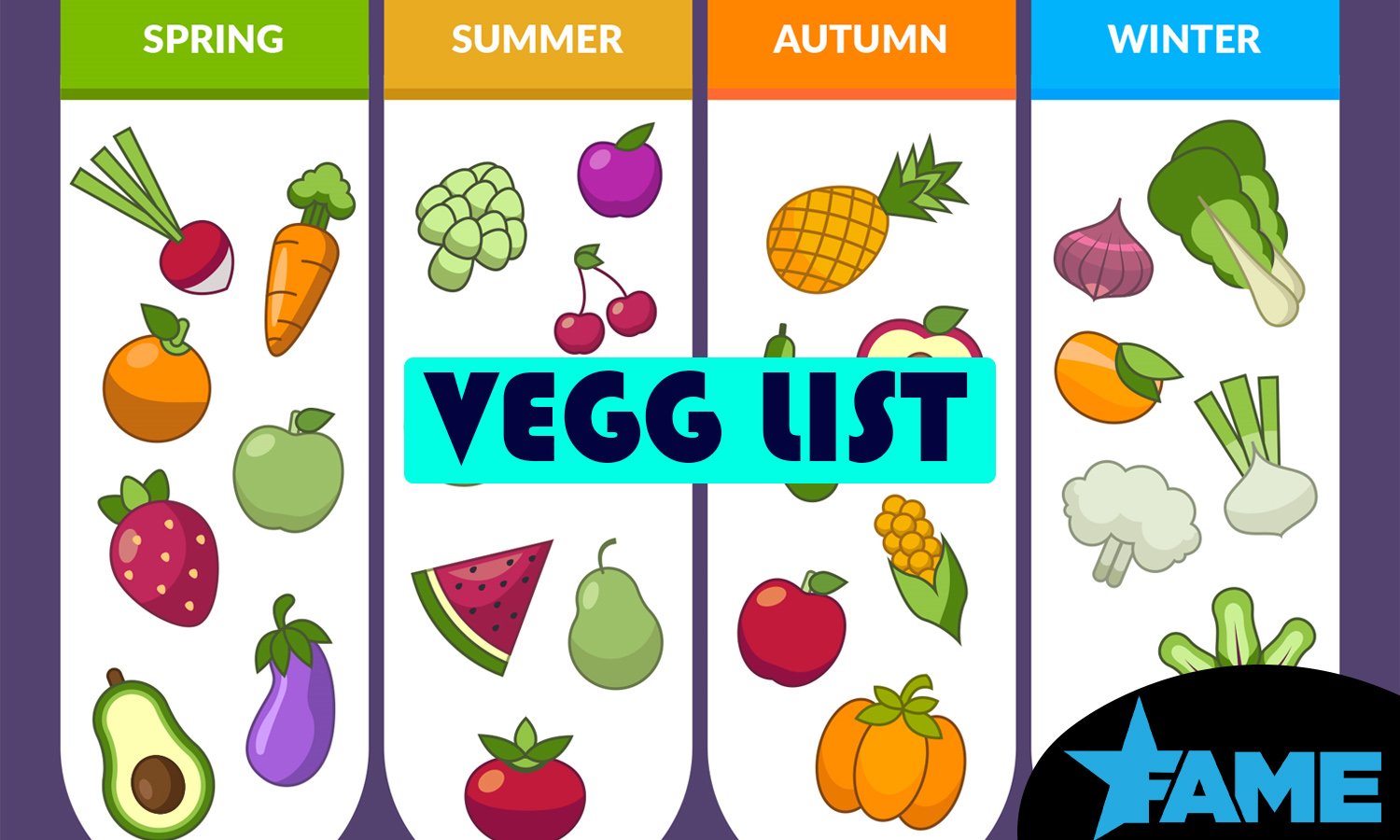
A vegg list is a shorthand term for a vegetable list, typically used when planning grocery shopping, organizing meals, or laying out a home vegetable garden. The term itself is informal and not a standardized industry phrase, but the underlying idea is straightforward and genuinely useful: a written or digital list that groups vegetables by type, use, or season so a person can plan more efficiently. This guide covers the most common ways people build and use a vegg list, the vegetable categories worth including, seasonal considerations, storage tips, and how to adapt the concept for shopping, cooking, or gardening purposes.
What Does a Vegg List Actually Include?
A vegg list generally includes vegetables grouped by category, such as leafy greens, root vegetables, cruciferous vegetables, alliums, nightshades, and legumes, rather than a single unsorted list of names. Organizing by category makes the list more useful for planning, since it mirrors how vegetables are typically cooked, stored, and shopped for. Leafy greens like spinach, kale, and lettuce behave differently in storage and cooking than root vegetables like carrots, potatoes, and beets, so separating them helps with meal planning and reduces food waste from items spoiling faster than expected.
Some vegg lists also include a nutritional dimension, noting which vegetables are high in specific vitamins or fiber, which is useful for people building a list around dietary goals rather than just a shopping trip. Others are built around seasonality, listing which vegetables are typically available fresh at a given time of year in a specific region. A more advanced version of a vegg list might also track quantity on hand, expected use-by date, and preferred storage location, effectively turning the list into a simple kitchen inventory system rather than just a shopping reminder.
What Are the Main Vegetable Categories to Include?
The main vegetable categories worth including on a vegg list are leafy greens, cruciferous vegetables, root vegetables, alliums, nightshades, squash, and legumes. Leafy greens cover spinach, kale, chard, and lettuce varieties, and they generally have the shortest shelf life of any vegetable category, which is why many household food waste problems trace back to unused greens. Cruciferous vegetables include broccoli, cauliflower, cabbage, and Brussels sprouts, a group known for specific plant compounds that have been studied for their health properties and that also share similar cooking methods, such as roasting or steaming.
Root vegetables cover carrots, beets, turnips, radishes, and potatoes, which generally store longer than leafy greens and are often used as pantry staples, particularly in colder months when fresh produce options narrow. Alliums include onions, garlic, leeks, and shallots, which function as flavor bases in cooking rather than standalone dishes in most cases, and they typically store well in a cool, dry, dark place rather than the refrigerator. Nightshades cover tomatoes, peppers, and eggplant, botanically classified together despite being used very differently in cooking, from raw tomatoes in a salad to roasted eggplant in a baked dish.
Squash varieties, both summer types like zucchini and yellow squash and winter types like butternut and acorn squash, form their own category due to significant differences in storage life and preparation; summer squash spoils quickly and should be used within days, while winter squash can often be stored for weeks or months in a cool location. Legumes, including peas and green beans, round out a comprehensive list, even though some are botanically distinct from other vegetable groups and are sometimes classified separately in strict botanical terms.
How Do Seasonal Vegetables Fit Into a Vegg List?
Seasonal availability plays a major role in building a practical vegg list, since certain vegetables are naturally more abundant, fresher, and less expensive during specific times of year depending on region and climate. Spring vegetable lists commonly emphasize asparagus, peas, radishes, and early leafy greens as fields transition out of winter dormancy. Summer lists typically shift toward tomatoes, corn, zucchini, cucumbers, and peppers, which thrive in warm growing conditions and are widely available at farmers markets during these months.
Fall vegg lists often highlight winter squash, sweet potatoes, Brussels sprouts, and root vegetables as the growing season winds down and storage crops become more prominent. Winter lists tend to lean most heavily on stored root vegetables, alliums, and hardy greens like kale that can tolerate colder conditions, along with vegetables that ship well from warmer growing regions. Building a vegg list with seasonality in mind generally results in fresher produce, lower grocery costs, and a more varied diet across the year compared to a static list that never changes regardless of season.
How Do You Build a Vegg List for Grocery Shopping?
You build a grocery-focused vegg list by starting with the meals planned for the week and working backward to the specific vegetables each recipe requires, then grouping those items by store section to make shopping faster. This approach avoids the common problem of a generic vegetable list that does not match what is actually needed, leading to waste or repeat store trips. A well-built shopping list also accounts for vegetables already on hand, so it functions as a gap list rather than a full restock of every category regardless of existing inventory.
A practical shopping-focused vegg list separates fresh produce from frozen and canned vegetables, since these are typically stored in different parts of a kitchen and have very different shelf lives. It also helps to note quantities needed rather than just item names, particularly for recipes requiring specific amounts of onions, garlic, or leafy greens that wilt quickly if overbought. Some shoppers also find it useful to note preferred brands or organic versus conventional preferences directly on the list, particularly for vegetables known to carry higher pesticide residue when grown conventionally, which can help streamline decision-making while standing in the produce aisle.
How Do You Build a Vegg List for a Garden?
You build a garden-focused vegg list by matching vegetable choices to your local climate zone, the amount of sunlight your growing space receives, and the length of your local growing season. Unlike a shopping list, a garden vegg list needs to account for planting time, days to maturity, and spacing requirements, since planting the wrong vegetables for a region’s climate is one of the most common reasons home gardens underperform.
Cool-season vegetables like lettuce, spinach, broccoli, and peas typically go in the ground earlier in spring or during fall in warmer climates, while warm-season vegetables like tomatoes, peppers, squash, and beans need consistently warm soil and are usually planted after the last frost date for a given region. A garden vegg list built around these two groups, rather than a single undifferentiated list, tends to produce better results because it respects the actual growing requirements of each plant. It also helps to note the mature size of each plant on a garden list, since crowding vegetables too closely together is a frequent mistake that reduces yields and increases the risk of disease from poor air circulation between plants.
Succession planting is another concept worth incorporating into a garden vegg list, particularly for fast-growing crops like lettuce and radishes, which can be planted in smaller batches every few weeks rather than all at once, extending the harvest window across a longer period instead of producing a single large batch that ripens all at the same time.
Can a Vegg List Help With Dietary Planning?
Yes, a vegg list can support dietary planning by organizing vegetables around nutritional goals, such as increasing fiber intake, adding more variety of colors and nutrients, or meeting specific dietary patterns like vegetarian or plant-forward eating. Nutrition-focused lists often emphasize variety across categories rather than repeating the same few vegetables, since different categories tend to offer different vitamins, minerals, and plant compounds; a list built entirely around one or two vegetable types, even healthy ones, generally provides a narrower nutritional profile than one drawing from several categories.
Color variety is a simple heuristic some people use when building a nutrition-focused vegg list, since different pigments in vegetables often correspond to different beneficial plant compounds. A list that includes dark leafy greens, orange root vegetables, red tomatoes or peppers, and purple vegetables like eggplant or purple cabbage tends to cover a broader nutritional range than a list limited to a narrow color palette. For anyone using a vegg list to address a specific health condition or dietary restriction, it is worth checking with a registered dietitian or physician rather than relying solely on generic lists found online, since individual nutritional needs vary and general vegetable lists are not a substitute for personalized medical or nutritional advice.
How Should Vegetables From a Vegg List Be Stored?
Proper storage extends the useful life of vegetables purchased or harvested according to a vegg list, and storage needs vary significantly by category. Leafy greens generally last longest when stored loosely wrapped in a damp towel inside a partially sealed container in the refrigerator, which helps maintain humidity without trapping excess moisture that speeds up spoilage. Root vegetables like potatoes and onions should generally be stored in a cool, dark, dry place outside the refrigerator, since cold refrigerator temperatures can affect the texture and flavor of potatoes over time.
Tomatoes are best stored at room temperature rather than refrigerated, since cold temperatures can degrade their flavor and texture, while most other vegetables in the nightshade and squash categories store reasonably well in a cool pantry or the refrigerator’s crisper drawer. Alliums like garlic and onions should be kept separate from potatoes in storage, since gases released by onions can cause potatoes to sprout more quickly. Building storage notes directly into a vegg list, category by category, helps reduce the common problem of vegetables being forgotten in the back of a refrigerator until they spoil.
Are There Apps or Tools That Help With Vegg Lists?
Yes, several grocery list and garden planning apps are built specifically to help organize vegetable lists, ranging from general shopping list generators to dedicated vegetable garden planning tools that account for climate zones and planting schedules. Garden-focused apps typically ask for a location or hardiness zone and then suggest appropriate vegetables and planting windows, which removes much of the guesswork involved in building a garden list from scratch, particularly for new gardeners unfamiliar with their local frost dates and growing season length.
Grocery-focused tools tend to integrate with meal planning features, generating a vegetable list automatically based on recipes selected for the week, and some sync across household members so multiple people can add items to a shared list in real time. Choosing between a simple handwritten list and a dedicated app usually comes down to how often the list needs to be reused or updated, since apps offer more convenience for recurring weekly shopping or season-long garden planning, while a simple paper list may be perfectly sufficient for occasional or one-off planning needs.
Conclusion
A vegg list is simply an organized list of vegetables, and its usefulness comes from how it is structured rather than from any fixed format. Grouping vegetables by category such as leafy greens, root vegetables, alliums, and legumes makes a list more practical for shopping, cooking, or dietary planning, while garden-focused lists need to account for climate, season, and planting windows to be genuinely useful. Paying attention to seasonality and proper storage further extends the value of a vegg list beyond the moment it is written, reducing waste and improving the overall quality of the vegetables that make it into meals. Whether built by hand or generated through an app, a well-organized vegg list saves time, reduces food waste, and supports more consistent meal or garden planning over time.
Frequently Asked Questions
What is a vegg list used for?
A vegg list is used to organize vegetables for grocery shopping, meal planning, or garden planning. It groups vegetables by type, such as leafy greens, root vegetables, or alliums, making it easier to plan meals, avoid food waste, or schedule garden planting.
What vegetables should be on a basic vegg list?
A basic vegg list typically includes leafy greens like spinach and kale, root vegetables like carrots and potatoes, alliums like onions and garlic, and staples like tomatoes and peppers. The exact items depend on personal diet, recipes planned, or garden climate.
Is a vegg list the same as a vegan food list?
No, a vegg list refers specifically to vegetables and is not the same as a full vegan food list, which would also include fruits, grains, legumes, nuts, and plant-based protein sources beyond vegetables alone.
How is a garden vegg list different from a shopping vegg list?
A garden vegg list accounts for climate zone, planting season, and days to maturity, while a shopping vegg list focuses on recipes, store sections, and quantities needed. The two serve different planning purposes even though both organize vegetables.
Are there apps to help create a vegg list?
Yes, several grocery list and vegetable garden planning apps can generate a vegg list automatically. Garden apps typically factor in your climate zone and planting schedule, while grocery apps build vegetable lists from planned recipes for the week.
See task progress for longer tasks.sodiceram.mdhaslhof.mdmochihealth.mdgeekzilla-io-technology.mdnadeshda-ponce.mdconstruction-software-news.mdrn-fundamentals-2016-70-questions.mdtxmyzone.mdcontent-cz-mobilesoft-appblock-fileprovider.mdadultsrach.mdmerfez.mdfanisco.mdplangud.mdharouxinn.mdhrmtaila.mdwebxmaza.mdvegg-list.mdtwin-peaks-menu.mdseo-articles.md


Who Is Peter Buchignani? The Real Life Story of Carley Shimkus’s Husband

Who Is Rishia Haas? The Real Life Story of Andrew Zimmern’s Ex-Wife

Who Is Elaine Starchuk? The Real Life Story of Tommy Lee’s First Wife

Who Is Margie Washichek? The Real Life Story of Jimmy Buffett’s First Wife

Who Is Shelly Tresvant? The Real Life Story of Ralph Tresvant’s First Wife

Who Is Nikolai Peter Ingraham? The Real Life Story of Laura Ingraham’s Adopted Son

Who Is Thomas Emil Sicks? The Inspiring Life of Kiefer Sutherland’s Half-Brother

Who Is Aidan Thieriot? The Inspiring Life of Max Thieriot’s Brother

Who Is Michel Sáenz Castro? The Fascinating Life of Verónica Castro’s Son

Who Is Amelia Jane Henson? The Fascinating Life of Mia Sara and Brian Henson’s Daughter

Who Is América Guinart? A Remarkable Life of Alejandro Fernández’s Ex-Wife

Who Is Paris Brosnan? The Remarkable Life of Pierce Brosnan’s Son
-
 Celebrity2 months ago
Who Is Thomas Emil Sicks? The Inspiring Life of Kiefer Sutherland’s Half-Brother
-
 Celebrity2 months ago
Who Is Aidan Thieriot? The Inspiring Life of Max Thieriot’s Brother
-
 Celebrity2 months ago
Who Is Michel Sáenz Castro? The Fascinating Life of Verónica Castro’s Son
-
 Celebrity2 months ago
Who Is Amelia Jane Henson? The Fascinating Life of Mia Sara and Brian Henson’s Daughter
-
 Celebrity2 months ago
Who Is América Guinart? A Remarkable Life of Alejandro Fernández’s Ex-Wife
-
 Celebrity2 months ago
Who Is Paris Brosnan? The Remarkable Life of Pierce Brosnan’s Son
-

 Celebrity2 months ago
Who Is James Daniel Sundquist? The Extraordinary Life of Jimi Hendrix’s Son
-

 Celebrity2 months ago
Who Is London Bierk? The Real Life Story of Sebastian Bach’s Son