Business
Exploring Brick Lane London Curry Houses and Their Most Popular Dishes

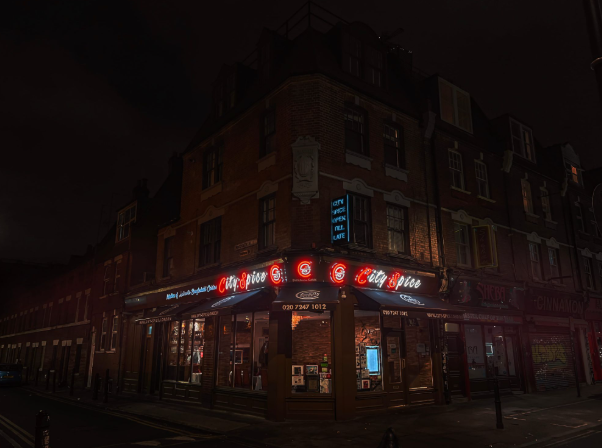
The most popular dishes in brick lane london curry houses fall into two families: British curry house classics such as tikka masala, madras and jalfrezi, and Bengali home dishes built on mustard, fish and vegetables. Knowing which is which helps you order well, and helps you judge the best indian restaurant in brick lane for your own taste.
Where does a Brick Lane menu actually come from?
Here at City Spice we watch first-time visitors scan a long menu and go straight for what they know. Fair enough. But a Brick Lane menu is really two documents stitched together.
The first was written by Bangladeshi cooks, many from Sylhet, who opened restaurants across Britain from the 1960s onwards and adapted their cooking for local palates. Out of that came a shared national repertoire, ordered by heat level and built for speed.
The second is the food those same families cook at home: mustard-oil fish curries, bitter-gourd fries, lentils tempered with panch phoron, mashed vegetable bhortas sharp with raw onion and green chilli. Much of the street’s most interesting cooking now sits here.
Which classic curry house dishes are most popular, and where did they come from?
| Dish | Origin | What to expect |
|---|---|---|
| Chicken tikka masala | British, origin disputed (Glasgow is the best-known claim) | Charred tandoori chicken in a tomato and cream sauce |
| Madras | British curry house naming, after the city | Hot, tomato-based, chilli and tamarind sourness |
| Jalfrezi | Anglo-Indian; “jhal” means heat in Bengali | Stir-fried peppers, onion and fresh green chilli |
| Bhuna | A technique, not a recipe | Spices fried hard in oil, sauce reduced until it clings |
| Dhansak | Parsi, from western India | Meat cooked with lentils, sweet-sour and earthy |
| Korma | Mughal court cooking | Mild, braised in yoghurt, sometimes with nuts |
A word on bhuna, because it explains most of what tastes good on this street. To bhuna is to fry onion, garlic, ginger and ground spice in oil over high heat, stirring and splashing in water so nothing burns, until the oil separates and shines at the edges. That separation is the signal the raw spice taste has cooked out. Skip it and a curry tastes dusty. Do it properly and even a simple chicken curry tastes deep.
What Bengali dishes should you look for in Brick Lane restaurants London visitors often miss?
Many brick lane restaurants london diners walk past have dishes from the cooks’ own kitchens tucked into a “specials” or “chef’s” section. Signs worth looking for:
- Shorshe (mustard) dishes. Black or yellow mustard seed ground to a paste with green chilli and a pinch of salt. Grind it too long or with hot water and it turns bitter, so good cooks work quickly and cold.
- Bhorta. Roasted aubergine, potato or fish mashed with mustard oil, raw onion and chilli. Simple, pungent, eaten with plain rice.
- Lentil dishes tempered at the end. A tarka of hot oil, garlic and whole spice poured over dhal just before serving. Listen for the hiss.
- Vegetable curries as main courses. Bengali cooking treats aubergine, gourds and greens with the same care as meat.
How has City Spice approached these dishes?
At City Spice, Chef Niaz cooks with a Bengali twist, so our menu holds both families. The classics are there, cooked properly, and the home dishes show what Bengali food can do.
The clearest example is our vegan curry menu, created by Chef Niaz with Michelin-inspired chef Rupert Rowley. It includes Chowle Achar, an aubergine dhal, Shobji Kufta Bhujon and the thali-style Shahi Sahakari platter. We built it because we noticed tables increasingly mixing plant-based and meat dishes, and wanted the vegan side of the table to eat just as well.
We also run vegetables through the tandoor. The clay oven reaches temperatures far beyond a home oven, so paneer, cauliflower and peppers take on char in a few minutes without drying out. The same heat puffs a naan in under two minutes against the oven wall.
How do you order well at Brick Lane London curry houses?
A few habits we see from regulars:
- Order one dry dish (a bhuna, a tandoori plate) and one wet dish (a dhal or a sauced curry) per two people, so textures contrast.
- Pair heat with something cooling: raita, plain rice, a mild dhal.
- Ask the server what the kitchen cooks at home. In good brick lane london curry houses, that question tends to get an honest, enthusiastic answer.
- Order bread and rice together sparingly. Bengali meals are rice-led; naan is more a North Indian and British curry house habit.
Is Brick Lane still the best place for Indian food near Shoreditch?
Shoreditch has its own strong options, and anyone searching for the best indian food shoreditch offers will find modern, small-plate places a few minutes north. The difference is concentration. On Brick Lane you can compare a dozen kitchens on one walk, and the street’s Bengali roots mean the cooking often goes deeper than the menu suggests.
Calling one place the best indian restaurant in shoreditch or the best indian restaurant in brick lane usually comes down to the same tests: fresh tempering, careful vegetables, and a kitchen willing to cook to your heat level.
Frequently Asked Questions
What is the most popular dish in Brick Lane curry houses?
Chicken tikka masala and chicken korma remain among the most ordered dishes, alongside madras and jalfrezi for those who like heat. Many diners now also order Bengali specials and vegan curries.
Was chicken tikka masala invented on Brick Lane?
No. Its origin is disputed, with the best-known claim coming from a restaurant in Glasgow, and several other cities claiming it too. It became a staple of British curry houses, including on Brick Lane.
What is a bhuna?
Bhuna is a cooking technique where spices and aromatics are fried hard in oil until the oil separates, then the sauce is reduced until thick. A dish called “bhuna” is cooked this way and is usually medium-hot and fairly dry.
Are Brick Lane curry houses Bangladeshi?
Most are run by Bangladeshi families, many with roots in Sylhet, even when they describe themselves as Indian restaurants. That is why Bengali dishes often appear alongside the familiar curry house list.


Who Is Peter Buchignani? The Real Life Story of Carley Shimkus’s Husband

Who Is Rishia Haas? The Real Life Story of Andrew Zimmern’s Ex-Wife

Who Is Elaine Starchuk? The Real Life Story of Tommy Lee’s First Wife

Who Is Margie Washichek? The Real Life Story of Jimmy Buffett’s First Wife

Who Is Shelly Tresvant? The Real Life Story of Ralph Tresvant’s First Wife

Who Is Nikolai Peter Ingraham? The Real Life Story of Laura Ingraham’s Adopted Son

Who Is Thomas Emil Sicks? The Inspiring Life of Kiefer Sutherland’s Half-Brother

Who Is Aidan Thieriot? The Inspiring Life of Max Thieriot’s Brother

Who Is Michel Sáenz Castro? The Fascinating Life of Verónica Castro’s Son

Who Is Amelia Jane Henson? The Fascinating Life of Mia Sara and Brian Henson’s Daughter

Who Is América Guinart? A Remarkable Life of Alejandro Fernández’s Ex-Wife

Who Is Paris Brosnan? The Remarkable Life of Pierce Brosnan’s Son
-
 Celebrity2 months ago
Who Is Thomas Emil Sicks? The Inspiring Life of Kiefer Sutherland’s Half-Brother
-
 Celebrity2 months ago
Who Is Aidan Thieriot? The Inspiring Life of Max Thieriot’s Brother
-
 Celebrity2 months ago
Who Is Michel Sáenz Castro? The Fascinating Life of Verónica Castro’s Son
-
 Celebrity2 months ago
Who Is Amelia Jane Henson? The Fascinating Life of Mia Sara and Brian Henson’s Daughter
-
 Celebrity2 months ago
Who Is América Guinart? A Remarkable Life of Alejandro Fernández’s Ex-Wife
-
 Celebrity2 months ago
Who Is Paris Brosnan? The Remarkable Life of Pierce Brosnan’s Son
-

 Celebrity2 months ago
Who Is James Daniel Sundquist? The Extraordinary Life of Jimi Hendrix’s Son
-

 Celebrity2 months ago
Who Is London Bierk? The Real Life Story of Sebastian Bach’s Son