Business
From Indian Cuisine to Modern Dining: Restaurants Pre Theatre to Consider

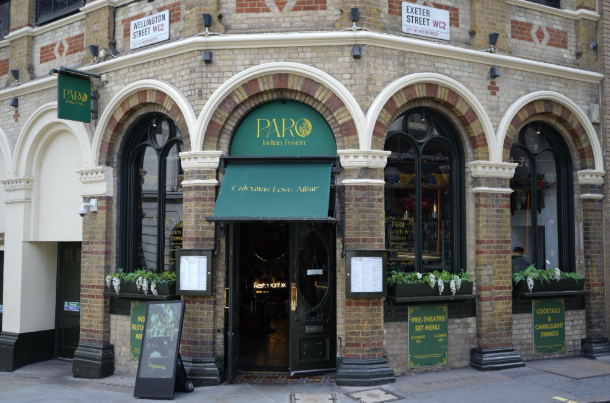
The restaurants pre theatre guests should consider are the ones that can serve a complete, satisfying meal in about 80 minutes without making anyone feel hurried. Indian food does this well, and an Indian thali in London is one of the smartest pre-show choices: many small dishes, one tray, everything arriving together, and nothing left waiting in the kitchen.
Why is the pre-theatre meal so hard to get right?
Every evening at Paro, beside the Lyceum Theatre, we watch the same clock our guests watch. The curtain is fixed. Dinner is not. The pre-theatre meal sits in an awkward window: people arrive straight from work, hungry, slightly stressed, and they need to leave on time feeling comfortable, not heavy.
Most problems come from three things. Courses arriving in slow waves. Dishes so rich that the second act becomes a battle with sleep. And a bill that takes fifteen minutes to arrive. A good kitchen can solve the first two; a good front-of-house team solves the third.
How long should you allow for dinner before a show?
From our side of the pass, this is the timing that tends to work for restaurants pre theatre across the West End.
| Time before curtain | What should be happening |
|---|---|
| 105 minutes | Arrive, order everything at once, mention the show time |
| 90 to 80 minutes | Starters or a full thali arrive |
| 80 to 45 minutes | Main eating window |
| 40 minutes | Ask for the bill |
| 20 to 15 minutes | Leave for the theatre |
Collecting tickets or meeting friends in the foyer? Add ten minutes. The single most helpful thing a guest can do is tell us the curtain time as they sit down.
What is an Indian thali in London, and why does it suit a deadline?
A thali is simply a round plate or tray, and the word has come to mean the meal served on it: rice or bread at the centre, ringed by small bowls (katoris) of dal, vegetables, a curry, yoghurt or raita, pickle, chutney and often a little sweet. Regional versions vary enormously. A Gujarati thali leans sweet and vegetarian; a Rajasthani one may carry dal baati; a Bengali meal traditionally moves from bitter to sweet in a set order.
The thinking behind it is balance. Classical Indian food theory, drawn from Ayurveda, describes six tastes (sweet, sour, salty, bitter, pungent and astringent), and a well-built thali touches most of them. That matters before a show: a balanced meal of modest portions digests more comfortably than one large, creamy main.
It also suits a kitchen under time pressure. Everything is plated at once, so there are no gaps between courses. When people ask us where to find the best thali in london, our answer is to look for a kitchen with a clear regional point of view, not the biggest tray. Ask the team at any restaurant, including ours, whether a thali-style selection is available on the night.
How does Indian cuisine fit modern pre-theatre dining?
The old pre-theatre menu was a fixed three-course set: soup, a piece of fish, a pudding. Modern dining has moved towards sharing, smaller plates and more choice, and Indian cooking was doing this long before it became fashionable.
Chef Niaz leads our kitchen, and his cooking is grounded in Kolkata and West Bengal. Bengali cooking uses mustard oil, panch phoron (a five-seed mix of fenugreek, nigella, cumin, black mustard and fennel) and a lighter hand with cream than many restaurant curries. Every dish at Paro is built on our house 48-spice mix, which lets us create depth without relying on heavy sauces.
A practical tip: a good indian curry before the theatre does not need to be the richest one on the menu. A tomato-and-onion gravy, a dry-fried vegetable dish or a tandoor-cooked item leaves you satisfied but alert. Save the cream-and-butter dishes for the post-theatre table, when there is nowhere else to be.
What should you order when time is tight?
- Order in one go. Starters and mains together, with a note that you are seeing a show.
- Pick dishes that share well. One dal, one vegetable, one curry or grill, rice and a piece of bread covers two people comfortably.
- Go easy on fried starters. They arrive fast but fill you up before the main event.
- Request the bill with your last dish. It saves the most anxious ten minutes of the evening.
- Ask about dietary tags. Our menu is marked for halal, vegan, vegetarian, gluten-free, dairy-free and nut-free diners, which saves questions when time is short.
Which theatres are close enough for an easy walk?
Paro sits beside the Lyceum, which makes it the shortest walk in this part of the West End. The Fortune Theatre on Russell Street, the Royal Opera House on Bow Street, and the theatres along the Strand are all within a few minutes on foot. Anyone searching for the best indian restaurants near fortune theatre london should think about walking time as seriously as the menu; a three-minute walk buys you a relaxed dessert.
We also open for lunch Wednesday to Sunday from midday, which suits matinee audiences, and we serve guests after the show too.
Frequently Asked Questions
What is the ideal time to arrive for a pre-theatre meal?
Around 90 to 105 minutes before curtain up gives enough time to eat two courses without rushing. Tell the staff your show time when you sit down so the kitchen can pace your food.
Is a thali a good pre-theatre choice?
Yes. Everything arrives on one tray at the same time, portions are balanced and modest, and you avoid waiting between courses, which makes it one of the most reliable options before a show.
Which Indian dishes are lighter before the theatre?
Tandoor-cooked dishes, dals, dry vegetable dishes and tomato-based curries tend to sit more lightly than cream or butter-rich sauces. Keep fried starters to a minimum if you want to stay alert.
Can I eat Indian food after a show instead?
Many West End restaurants serve post-theatre diners, and Paro welcomes guests after performances. It is the best moment for richer dishes and a slower meal.


Who Is Peter Buchignani? The Real Life Story of Carley Shimkus’s Husband

Who Is Rishia Haas? The Real Life Story of Andrew Zimmern’s Ex-Wife

Who Is Elaine Starchuk? The Real Life Story of Tommy Lee’s First Wife

Who Is Margie Washichek? The Real Life Story of Jimmy Buffett’s First Wife

Who Is Shelly Tresvant? The Real Life Story of Ralph Tresvant’s First Wife

Who Is Nikolai Peter Ingraham? The Real Life Story of Laura Ingraham’s Adopted Son

Who Is Thomas Emil Sicks? The Inspiring Life of Kiefer Sutherland’s Half-Brother

Who Is Aidan Thieriot? The Inspiring Life of Max Thieriot’s Brother

Who Is Michel Sáenz Castro? The Fascinating Life of Verónica Castro’s Son

Who Is Amelia Jane Henson? The Fascinating Life of Mia Sara and Brian Henson’s Daughter

Who Is América Guinart? A Remarkable Life of Alejandro Fernández’s Ex-Wife

Who Is Paris Brosnan? The Remarkable Life of Pierce Brosnan’s Son
-
 Celebrity2 months ago
Who Is Thomas Emil Sicks? The Inspiring Life of Kiefer Sutherland’s Half-Brother
-
 Celebrity2 months ago
Who Is Aidan Thieriot? The Inspiring Life of Max Thieriot’s Brother
-
 Celebrity2 months ago
Who Is Michel Sáenz Castro? The Fascinating Life of Verónica Castro’s Son
-
 Celebrity2 months ago
Who Is Amelia Jane Henson? The Fascinating Life of Mia Sara and Brian Henson’s Daughter
-
 Celebrity2 months ago
Who Is América Guinart? A Remarkable Life of Alejandro Fernández’s Ex-Wife
-
 Celebrity2 months ago
Who Is Paris Brosnan? The Remarkable Life of Pierce Brosnan’s Son
-

 Celebrity2 months ago
Who Is James Daniel Sundquist? The Extraordinary Life of Jimi Hendrix’s Son
-

 Celebrity2 months ago
Who Is London Bierk? The Real Life Story of Sebastian Bach’s Son