Business
What Is “Unbanned G+”? There Is No Official Platform Behind This Term

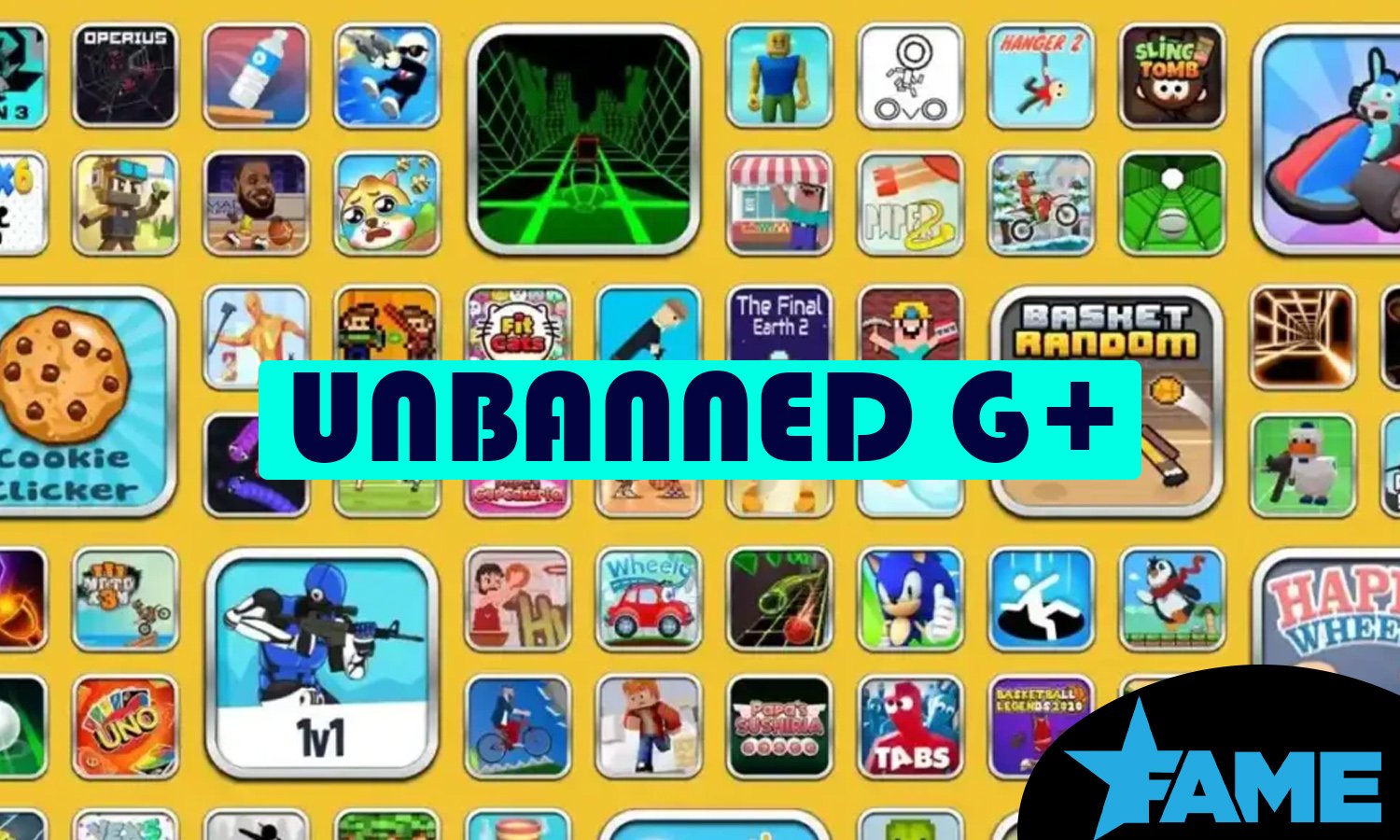
“Unbanned G+” is not an official platform, game, or account recovery service, despite numerous websites describing it as though it were. The term carries two informal meanings: a mistaken belief that it refers to a restored version of Google+, the consumer social network that Google shut down in 2019 and which no longer exists for the public, and a community label for “unblocked” game portals, often hosted on Google domains, that let users access games on networks like schools or workplaces that normally restrict them. This guide explains what “Unbanned G+” actually refers to, why no official platform exists under this name, and the real risks involved in the unblocked-game portals this term is sometimes used to describe.
Does an Official “Unbanned G+” Platform Exist?
No official “Unbanned G+” platform exists, and no confirmed, verifiable service, game, or account recovery tool operates under this specific name. Numerous websites describe “Unbanned G+” in detail, some suggesting it refers to a revived Google+ social network and others describing it as a gaming-related term, but no single authoritative, independently verifiable source confirms any specific platform actually operating under this name.
This lack of any confirmed official platform is an important starting point for understanding this term, since treating any website’s detailed description of “Unbanned G+” as though it refers to a specific, real, operational service would be mistaken given the complete absence of independent verification behind these claims.
Is Google+ Actually Coming Back Under the Name “Unbanned G+”?
Google+ is not coming back under the name “Unbanned G+” or any other name, since Google shut down the consumer version of Google+ in 2019, and the platform no longer exists for public use in any form. Any website or claim suggesting that “Unbanned G+” represents a restored or revived version of the original Google+ social network is describing something that does not reflect the platform’s actual, confirmed shutdown status.
This is an important clarification for anyone who encountered this term expecting to find a way back into a Google+ account or community, since the underlying platform itself was permanently discontinued for consumer use and no legitimate path exists to access a service that Google no longer operates.
What Does “Unbanned G+” Actually Refer to in Gaming Communities?
“Unbanned G+” actually refers, within certain gaming communities, to an informal label for “unblocked” game portals, websites that host browser games in a way intended to bypass network restrictions commonly found on school or workplace internet connections. These portals are often hosted on Google domains specifically because firewalls that block typical gaming websites rarely block Google’s own domains, allowing the games to load even on networks with standard content filtering in place.
This gaming-related meaning is the more substantive of the two informal interpretations of this term, though it’s important to understand that this still doesn’t refer to any single official, confirmed platform, but rather a general category of similarly structured unblocked-game sites that different, often unidentified, creators have built over time.
Why Do Unblocked-Game Portals Get Hosted on Google Domains Specifically?
Unblocked-game portals get hosted on Google domains specifically because network administrators at schools and workplaces typically need to allow access to legitimate Google services, such as Google Sites or Google Docs, for standard educational or work purposes, meaning a firewall configured to block typical gaming websites will often still permit traffic to Google’s own domains. Portal creators exploit this by hosting games through Google Sites specifically to take advantage of this necessary access, allowing games to load even when a network’s content filtering would otherwise block a standalone gaming website.
This technical approach is specifically designed to circumvent network content filtering rules, which is an important detail to understand before accessing any portal of this kind, since using this workaround to bypass intentionally configured network restrictions carries its own set of considerations beyond simply finding a way to play games.
Does Accessing Unblocked-Game Portals Violate School or Workplace Rules?
Accessing unblocked-game portals through methods like “Unbanned G+” style sites may violate school or workplace IT policies, since these portals are specifically designed to bypass network restrictions that administrators intentionally put in place, and most schools and employers have explicit policies against circumventing network content filtering regardless of the specific method used. Students or employees who use these portals risk disciplinary consequences if their school or employer detects this kind of policy circumvention, even if the underlying content being accessed, a simple browser game, might seem relatively harmless on its own.
This is an important consideration separate from any technical or security concerns, since the act of deliberately bypassing network restrictions is itself often treated as a policy violation regardless of what specific content a user is ultimately trying to access through that bypass method.
What Security Risks Come From Using Unblocked-Game Portal Clones?
Security risks that come from using unblocked-game portal clones, including sites using the “Unbanned G+” label, include exposure to ads, tracking scripts, and in some cases malware, since these portals are often created and maintained by unidentified individuals with no disclosed ownership or accountability for the site’s actual content and security practices. Independent review specifically notes that some clone sites carry these kinds of risks, and because portal creators and operators remain largely anonymous, there’s no reliable way to verify the safety of any specific portal before using it.
This combination of anonymous operation and the use of proxy layers or additional redirect steps that some of these portals employ creates genuine security exposure, particularly for a user who might not otherwise think critically about clicking through an unverified gaming website encountered through a search result or social sharing.
Why Do Some People Use VPNs to Access These Portals?
Some people use VPNs to access these unblocked-game portals specifically because a VPN can route internet traffic around network-level content filtering entirely, offering an additional layer to bypass restrictions when a school or workplace has blocked the specific portal or Google Sites domain hosting a particular game collection. Using a VPN in this context compounds the policy circumvention concern, since many schools and workplaces also have explicit rules against using VPNs specifically to bypass their network security and content filtering measures.
This additional layer of circumvention is worth understanding as a separate consideration from simply accessing an unblocked-game portal directly, since combining a VPN with this kind of portal access represents a more deliberate, multi-step effort to bypass network restrictions that could carry more serious consequences if detected.
Should You Trust Websites Describing “Unbanned G+” in Detail?
You should not trust websites describing “Unbanned G+” as though it refers to a specific, confirmed, official platform, since independent review found that articles using this term are vague about who actually operates any specific portal and cite no verifiable sources for their claims. Treating any specific feature, access method, or platform description associated with this term as unverified general information, rather than confirmed fact about a real, identifiable service, is the most accurate way to approach content using this particular label.
This kind of skepticism is a reasonable, protective approach whenever you encounter a specific term described in confident detail across multiple websites without any clear, independently verifiable source or identifiable operator behind those descriptions.
What Should You Do Instead of Seeking Out “Unbanned G+” Content?
What you should do instead of seeking out “Unbanned G+” content is recognize that network content filtering at schools and workplaces exists for specific institutional reasons, and that circumventing it carries real policy and security risks that may outweigh the benefit of accessing a simple browser game during restricted hours. If you want to play games during legitimate free time, using your own personal device on your own personal network, rather than attempting to bypass restrictions on an institutional network, avoids both the policy violation risk and the security concerns associated with unverified portal clones.
This kind of straightforward alternative sidesteps the entire category of risk associated with “Unbanned G+” style content, since playing games on your own time and your own network removes both the institutional policy conflict and the security exposure tied to unverified, anonymously operated portal sites.
Why Do Terms Like This Spread So Widely Despite No Official Platform?
Terms like “Unbanned G+” spread so widely despite no official platform existing behind them because search interest in a specific phrase creates an incentive for content producers to generate articles describing that phrase in confident, specific-sounding detail, regardless of whether an actual verifiable service exists under that name. This dynamic is common across many ambiguous or coined search terms, where numerous websites independently produce similar descriptions attempting to rank for the same query, collectively creating the illusion of a well-documented subject even though none of the individual sources can be traced back to a genuinely confirmed, authoritative origin.
Recognizing this broader content pattern is useful whenever you encounter a specific term described in unusual detail across multiple search results without any single, clear, verifiable source behind those descriptions, since the volume of similar content should not be mistaken for actual confirmation of a real underlying platform or service.
How Can You Tell the Difference Between a Real Platform and a Community Label?
You can tell the difference between a real platform and a community label by checking whether any specific website, company, or individual is clearly and consistently identified as the operator behind the term in question, rather than finding only vague, informal descriptions repeated across unrelated sites with no consistent attribution. A genuinely real platform typically has an identifiable company or team behind it, official documentation, and a consistent presence across verifiable channels, whereas a community label like “Unbanned G+” tends to describe a loose category of similar, independently created sites rather than any single, unified service.
Applying this distinction helps you approach search results about ambiguous terms more critically, recognizing when a search result describes an actual confirmed product versus when it describes a general community practice or informal label being used inconsistently across many different, unrelated websites.
What Is the Practical Takeaway About “Unbanned G+”?
The practical takeaway about “Unbanned G+” is that no official platform exists under this name, with the term instead referring either to a mistaken belief about a revived Google+ or to an informal label for unblocked-game portals that bypass network restrictions, carrying real policy violation risk at schools and workplaces along with genuine security concerns from anonymously operated clone sites.
Conclusion
“Unbanned G+” is not an official platform, game, or account recovery service. The term reflects either a mistaken belief that Google+ has been restored, which it has not since its 2019 shutdown, or an informal label for unblocked-game portals that bypass school or workplace network restrictions by hosting games on Google domains. These portals carry real risks, including potential IT policy violations and exposure to ads, tracking, or malware from anonymously operated clone sites. Using your own device on your own personal network during legitimate free time avoids these risks entirely.
Frequently Asked Questions
Is “Unbanned G+” a real, official platform?
No, no confirmed official platform, game, or service exists under this specific name.
Does “Unbanned G+” mean Google+ is coming back?
No, consumer Google+ was permanently shut down in 2019 and has not been restored.
Is it safe to use unblocked-game portal clones labeled “Unbanned G+”?
Not necessarily; these sites are often anonymously operated and may carry ads, trackers, or malware.
Could using these portals get me in trouble at school or work?
Yes, bypassing network content filtering often violates school or workplace IT policies.
What’s a safer alternative to using these portals?
Play games on your own device and personal network during legitimate free time instead.

Who Is Peter Buchignani? The Real Life Story of Carley Shimkus’s Husband

Who Is Rishia Haas? The Real Life Story of Andrew Zimmern’s Ex-Wife

Who Is Elaine Starchuk? The Real Life Story of Tommy Lee’s First Wife

Who Is Margie Washichek? The Real Life Story of Jimmy Buffett’s First Wife

Who Is Shelly Tresvant? The Real Life Story of Ralph Tresvant’s First Wife

Who Is Nikolai Peter Ingraham? The Real Life Story of Laura Ingraham’s Adopted Son

Who Is Thomas Emil Sicks? The Inspiring Life of Kiefer Sutherland’s Half-Brother

Who Is Aidan Thieriot? The Inspiring Life of Max Thieriot’s Brother

Who Is Michel Sáenz Castro? The Fascinating Life of Verónica Castro’s Son

Who Is Amelia Jane Henson? The Fascinating Life of Mia Sara and Brian Henson’s Daughter

Who Is América Guinart? A Remarkable Life of Alejandro Fernández’s Ex-Wife

Who Is Paris Brosnan? The Remarkable Life of Pierce Brosnan’s Son
-
 Celebrity2 months ago
Who Is Thomas Emil Sicks? The Inspiring Life of Kiefer Sutherland’s Half-Brother
-
 Celebrity2 months ago
Who Is Aidan Thieriot? The Inspiring Life of Max Thieriot’s Brother
-
 Celebrity2 months ago
Who Is Michel Sáenz Castro? The Fascinating Life of Verónica Castro’s Son
-
 Celebrity2 months ago
Who Is Amelia Jane Henson? The Fascinating Life of Mia Sara and Brian Henson’s Daughter
-
 Celebrity2 months ago
Who Is América Guinart? A Remarkable Life of Alejandro Fernández’s Ex-Wife
-
 Celebrity2 months ago
Who Is Paris Brosnan? The Remarkable Life of Pierce Brosnan’s Son
-

 Celebrity2 months ago
Who Is James Daniel Sundquist? The Extraordinary Life of Jimi Hendrix’s Son
-

 Celebrity2 months ago
Who Is London Bierk? The Real Life Story of Sebastian Bach’s Son